
The origin of neurodegenerative diseases like Alzheimer’s or dementia isn’t limited to the brain. The state of your gut can quietly set off a cycle of chronic, system-wide inflammation that nudges the brain toward cognitive decline. But how does the pathogenesis of a disease that seems purely brain-based begin in the gut—an organ that is mostly busy producing chemicals for digesting food?
It turns out these two entities are linked by the gut-brain axis, a two-way communication superhighway that constantly sends signals between the digestive tract and the central nervous system. It runs on chemical messengers like neurotransmitters and fatty acids, sharing information that shapes our memory, mood, and inflammation triggers.
An analysis of 15 studies involving more than 4,200 participants found that the gut-brain highway can be put to work as a drug-free route to support cognitive health. Tuning the gut microbiota through diet, supplements, or medical interventions such as fecal microbiota transplantation (FMT) can help improve memory, executive function, and overall cognitive performance, particularly in early or mild cases of cognitive impairment.
The credit for this protective effect goes to an increase in beneficial gut bacteria that produce compounds capable of slowing cognitive decline and reducing inflammation. The findings are published in Nutrition Research.
Good gut microbes for better memory
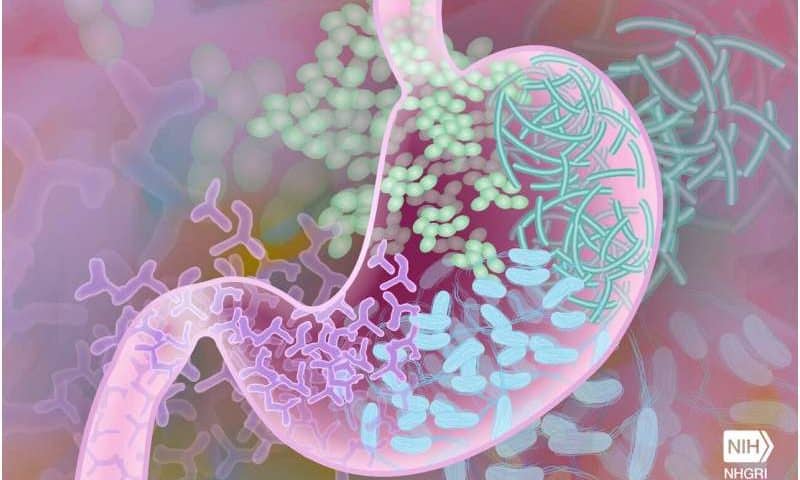
The gut is essentially an anaerobic ecosystem teeming with a vast mix of microorganisms, including bacteria, fungi, and protozoa, collectively called the microbiota. These organisms settle across different regions of the gut lining and together form the bulk of the human microbiome, spanning over 1,000 microbial species.
Several studies have established that gut microbiota play a key role in brain development and cognition. As people age or maintain poor diets, the community of bacteria in the gut can shift from helpful to harmful, a state known as dysbiosis. Such imbalances in gut bacteria may quietly fuel brain decline by triggering inflammation, weakening the brain’s protective barrier, and allowing harmful proteins linked to Alzheimer’s to build up.
Most earlier studies looked at gut microbiota treatments, a single treatment at a time. In this study, the researchers wanted a broader view of how specialized diets, probiotics, and transplants improve the gut microbiota and how they compare with one another.
The researchers focused on studies involving adults over 45 with memory issues, along with treatments that directly or indirectly target gut bacteria and cognitive outcomes measured through validated brain function tests.
After screening thousands of studies across five major medical databases, they narrowed the list to 15 of the most relevant clinical trials from Europe, Asia, North America, and the Middle East.
The trials involved 4,275 participants and explored the effects of different approaches, including the Mediterranean diet (plant-rich, healthy fats diet), the ketogenic diet (low-carb, high-fat diet), supplements such as probiotics, omega-3, and synbiotics, as well as medical interventions like fecal microbiota transplantation or FMT (transfer of healthy gut bacteria from a donor).
They found that the Mediterranean and ketogenic diets improved cognitive performance by reshaping the gut microbiota and increasing neuroprotective chemicals such as GABA. Boosting the gut with probiotics and especially fecal microbiota transplantation (FMT) also resulted in better cognitive function, with FMT driving faster and more dramatic changes in gut health.
These interventions also triggered positive biological changes, including greater microbial diversity, higher production of short-chain fatty acids, and reduced brain inflammation, all the actors working towards a healthier brain.
The team also observed that diets and gut-focused interventions showed clear benefits in early or mild cognitive impairment but had a limited impact on patients with advanced Alzheimer’s disease.
The researchers thus highlight that while the findings support gut interventions as a powerful tool for slowing cognitive decline, timing is everything—the earlier it is started, the better it works.