Lymphoma itself, not just treatment, can trigger rapid immune system and tissue aging

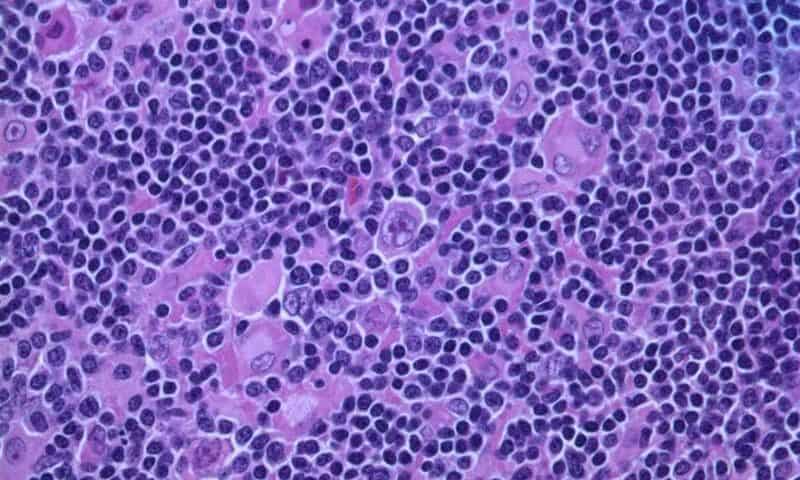
A new study led by a team of researchers at Moffitt Cancer Center reveals that lymphoma can accelerate the biological aging of the immune system and other tissues, providing new insight into how cancer reshapes the body beyond tumor growth.

The study, published in Cancer Cell, shows that B cell lymphoma rapidly transforms young T cells, which are key immune fighters, into a state resembling those of T cells in much older individuals. These changes included increased inflammation, impaired protein balance and altered iron regulation. The effects were not limited to immune cells. Markers of aging also appeared in the blood vessels, kidneys and intestines.

“Cancer doesn’t just grow in isolation; it has widespread effects on patients. We found that lymphoma alone, without treatment, is enough to provoke systemic signs of aging,” said John Cleveland, Ph.D., senior author and chief scientific officer at Moffitt. “This helps explain why many cancer patients experience symptoms typically associated with aging.”

The findings challenge the long-held belief that accelerated aging in cancer patients is primarily caused by treatments like chemotherapy or radiation. While those therapies are known to age cells, this study shows that the cancer itself can push immune and tissue systems into an aged state.

“Our results also suggest there may be opportunities to reverse some cancer-driven aging effects,” said Rebecca Hesterberg, Ph.D., the study’s lead author and a researcher in Moffitt’s Department of Tumor Microenvironment and Metastasis. “By understanding the biology, we can begin to think about interventions that not only treat the cancer but also protect or even restore healthy immune function.”

Researchers discovered that lymphoma-exposed T cells accumulated excess iron, making them resistant to a type of cell death called ferroptosis. They also exhibited defects in protein quality control, a hallmark of aging. Some of these changes were reversible when tumors were eliminated in animal models, pointing to new therapeutic opportunities.

With the global population aging and cancer risk rising with age, the study underscores the importance of understanding how cancer interacts with aging biology.

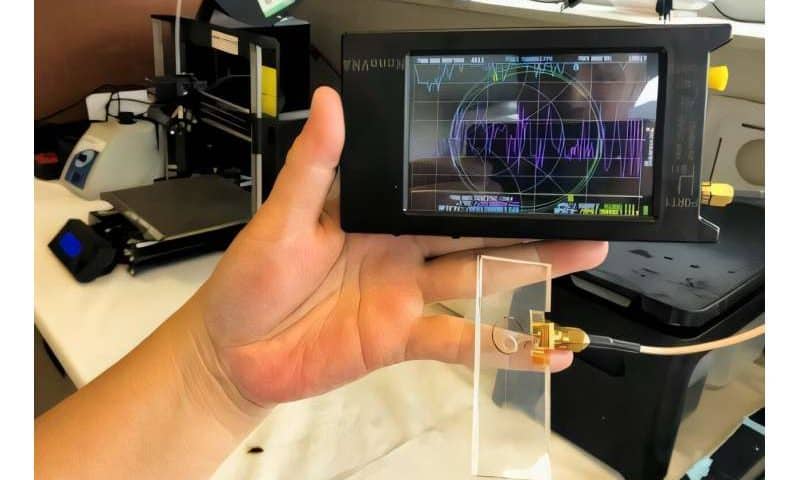
Pocket-sized device detects E. coli in minutes

A palm-sized device developed by researchers at the University of Waterloo could help save lives and reduce illness by rapidly and inexpensively detecting toxic bacteria in water supplies.

Contamination caused by E. coli, a bacterium commonly found in the gastrointestinal tracts of mammals, causes an estimated 230 deaths and 3 million acute illnesses globally each year, mostly affecting babies and young children, according to a study from the National Institutes of Health.

For their study published in the journal Biosensors and Bioelectronics, the research team set out to help reduce those numbers by building on technology it originally developed to detect the COVID-19 virus during the global pandemic.

“We’re confident our technology could have a significant health impact,” said Dr. Carolyn Ren, a professor of mechanical and mechatronics engineering, and the Canada Research Chair in Microfluidic Technologies at Waterloo.

“Testing shows it is very accurate, both in terms of specificity—the ability to differentiate between E. coli and other bacteria—and sensitivity.”

Costing just $70 to produce, the device includes a gold-plated sensor about the size of a dime paired with a smartphone-size board that contains a small instrument known as a vector network analyzer (VNA).

The sensor is coated with an antibody—a type of protein produced by the immune system—that attracts and binds E. coli to its surface if bacteria are present in a sample of a few drops of water.

When E. coli binds to the antibody, it triggers a shift in the resonance frequency of microwaves emitted by the sensor. That shift is detected and analyzed by the VNA, which determines both the presence and concentration of the bacteria in real time.

The device was tested with only a few drops of water in its reservoir, but Ren said the technology could easily be scaled to meet international E. coli standards that require larger samples.

Current E. coli tests typically involve collecting and transporting water samples to centralized labs, often resulting in delays that can take days and can leave people vulnerable to illness.

Ren said the Waterloo-built device’s rapid results, low cost and portability make it ideal for on-site testing in homes and water treatment plants, and to regularly monitor water bodies for contamination.

Its potential is especially significant in developing countries where people are more vulnerable to E. coli contamination and access to lab-based testing is limited. In a study in sub-Saharan Africa, for example, 71% of household water samples were found to be contaminated.

“Water regulations are strict and it’s difficult to adopt new technology quickly,” said Ren, who is also a member of the Water Institute and the Waterloo Institute for Nanotechnology. “We hope our work will inspire the scientific community and the private sector to help make it widely accessible.”

Which Weight Loss Treatments Will Be Most Effective?

While it’s impossible to make apples-to-apples comparisons of the many obesity candidates with so many differences across clinical trials, we at BioSpace are giving it our best shot.

The obesity market has turned into one of the most cut-throat market battles in pharma history, with dozens of companies vying for a slice. As orals enter the scene, single percentage points are making all the difference between the perceived winners and losers.

Analysts and investors alike are desperately trying to read the tea leaves and figure out which therapies will fare best. When Eli Lilly’s oral candidate orforglipron failed to beat Novo’s injectable Wegovy data, the Indianapolis pharma’s stock dropped by 14%. The same happened at Viking Therapeutics when its pill VK2735 raised unexpected tolerability concerns, sending the biotech’s shares down 12%.

While it’s impossible to make an apples-to-apples comparison with so many differences across clinical trials, we at BioSpace are giving it our best shot.

Below, we plotted the placebo-adjusted weight loss data for several leading candidates to give an idea of their achievements.

Trump Administration Settles on 15% Generic Drug Tariff Rate for EU

There’s still much more to come from the White House on tariffs, but the European Union has now reached a trade agreement with the U.S.

The White House has settled on a 15% tariff rate for generic pharmaceuticals coming into the country from the European Union, with President Donald Trump backing off on a previous threat to set import taxes as high as 250% on the pharma industry.

The trade agreement with the EU, announced in a statement issued by the White House on Thursday, sets to address trade imbalances and improve market access. The broad agreement covers multiple industries but only generics when it comes to the pharmaceutical sector.

The agreement places a Most Favored Nation tariff rate on generic pharmaceuticals effective Sept. 1, which is not to exceed 15%. Not to be confused with Most Favored Nation drug pricing, another initiative from the Trump administration that seeks to tie prescription drug costs to what other equivalent nations pay, Most Favored Nation tariffs are a flat-rate tariff applied to World Trade Organization members.

Leerink Partners said Friday morning that the agreement lands as expected and may ultimately mean that no tariffs are applied to generic drugs. The positive take was that Trump did not push the tariff rate higher after threatening tariffs as high as 150–250% in early August.

There’s still much more to come on tariffs from the White House. The government is currently running a Section 232 investigation, which would tie the need for tariffs on the pharma industry to a national security concern. And other nations still need to settle their respective trade disputes with the U.S.

Leerink also speculated as to whether Eli Lilly will specifically be exempted from any tariffs, as the president has indicated. The Zepbound maker last week announced a plan to raise drug prices in Europe in response to the Most Favored Nation drug pricing policy.

At the same time, the company pushed back against tariffs, arguing that “Broad tariffs would raise costs, limit patient access, and undermine American leadership, especially for companies already investing heavily in domestic manufacturing.”

AI model simultaneously detects multiple genetic colorectal cancer markers in tissue samples

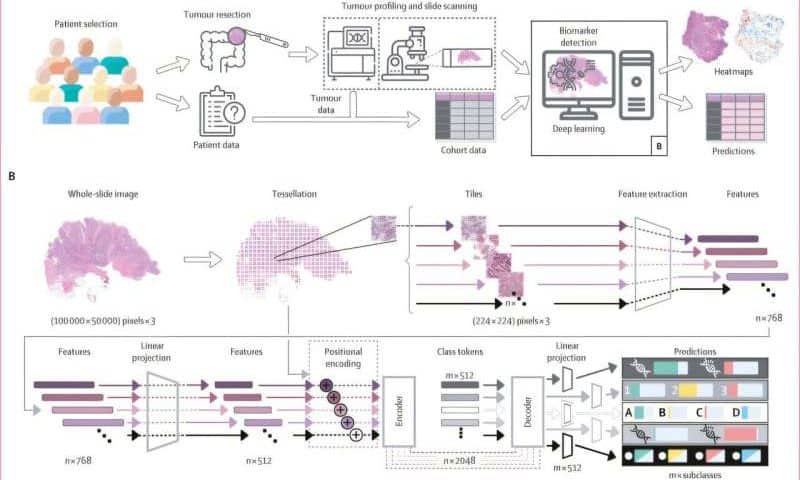
A multicenter study has analyzed nearly 2,000 digitized tissue slides from colon cancer patients across seven independent cohorts in Europe and the US. The samples included both whole-slide images of tissue samples and clinical, demographic, and lifestyle data.

The researchers have developed a novel “multi-target transformer model” to predict a wide range of genetic alterations directly from routinely stained histological colon cancer tissue sections. Previous studies were typically limited to predicting single genetic alterations and did not account for co-occurring mutations or shared morphological patterns.

The model detects genetic alterations and resulting tissue changes in colorectal cancer directly from tissue section images. This could enable faster and more cost-effective diagnostics in the future. For the development, validation, and data analysis of the model, experts in data and computer science, epidemiology, pathology, and oncology worked closely together.

The study has been published in the journal The Lancet Digital Health.

“Earlier deep learning models and analyses of the underlying tissue alterations have generally focused on only a single mutation at a time. Our new model, however, can identify many biomarkers simultaneously, including some not yet considered clinically relevant. We were able to demonstrate this in several independent cohorts. We also observed that many mutations occur more frequently in microsatellite-instable tumors (MSI),” explains Marco Gustav, M.Sc., first author of the study and researcher at EKFZ for Digital Health at TU Dresden.

Certain types of colorectal cancer can be classified based on microsatellite instability (MSI). Microsatellites are short, repetitive DNA sequences spread throughout the genome. In cancer, MSI can occur when these sequences become unstable due to defects in the DNA repair system. MSI is an important biomarker for identifying patients who may benefit from immunotherapy.

“This suggests that different mutations collectively contribute to changes in tissue morphology. The model recognizes shared visual patterns, rather than independently identifying individual genetic alterations,” he adds.

The researchers demonstrated that their model matched and partly exceeded established single-target models in predicting numerous biomarkers, such as BRAF or RNF43 mutations, and microsatellite instability (MSI) directly from pathology slides.

The pathological expertise required to assess tissue changes from histological slides was provided by experienced medical specialists. Dr. Nic Reitsam from the University Hospital Augsburg played a key role in the study.

Highlighting the study’s significance, Jakob N. Kather, Professor of Clinical Artificial Intelligence at the EKFZ for Digital Health at TU Dresden and senior oncologist at the NCT/UCC of the University Hospital Carl Gustav Carus Dresden, says, “Our research shows that AI models can significantly accelerate diagnostic workflows.

“At the same time, these methods provide new insights into the relationship between molecular and morphological changes in colorectal cancer. In the future, this technology could be used as an effective pre-screening tool to help clinicians select patients for further molecular testing and guide personalized treatment decisions.”

The research team now plans to extend this approach to other types of cancer.

Sleeping flies that still manage to escape shed light on inhibitory neuronal networks

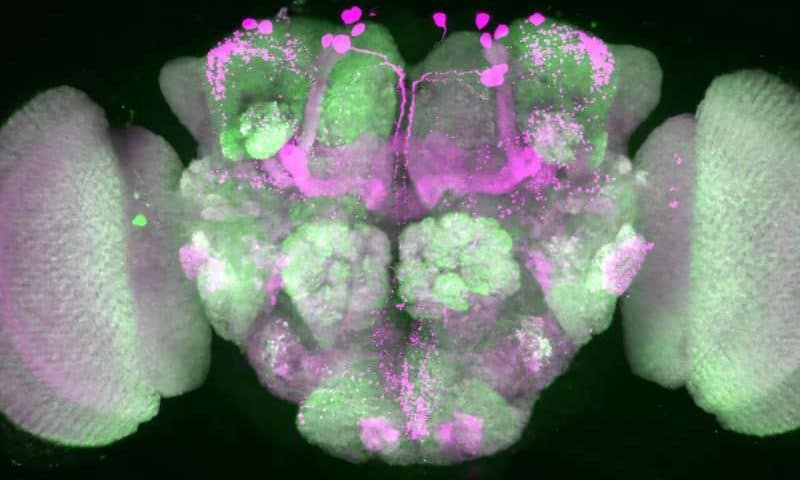
Flies too need their sleep. In order to be able to react to dangers, however, they must not completely phase out the environment. Researchers at Charité–Universitätsmedizin Berlin have now deciphered how the animal’s brain produces this state. As they describe in the journal Nature, the fly brain filters out visual information rhythmically during sleep—so that strong visual stimuli can still wake the animal.

Periods of rest and sleep are vital—presumably for all animals.

“Sleep is essential for physical regeneration, and in humans and many animals it is also fundamental for memory formation,” explains Prof. David Owald, a scientist at Charité’s Institute of Neurophysiology and leader of the recently published study. It was previously unclear how an organism reduces its response to stimuli sufficiently to be able to regenerate, while still remaining alert enough to respond to external dangers.

The team headed by Owald has now investigated this question using the model organism Drosophila. Due to their small brains, these two-and-a-half-millimeter insects, commonly known as fruit flies, are very well-suited for studying neurological processes.

“We have discovered that the brain of flies finely attunes activating and inhibitory networks during sleep,” says Owald. “This creates a filter that effectively suppresses visual stimuli, while particularly strong stimuli may pass through. The condition is comparable to a window ajar: The draft—in other words, the transmission of stimuli—is interrupted, but a strong gust of wind can push the window open, and likewise a strong stimulus can wake the animal up.”

An inhibitory neuronal network overlays the activating one

According to the study, the flies become tired in the evening, after a long period of wakefulness and following the rhythm of the internal clock. Slow, synchronous electrical waves—so-called slow waves—are generated in two different brain networks that connect visual stimuli with brain regions required for navigation—one activates and the other inhibits the response to visual stimuli.

“If both networks are active at the same time, the inhibitory network wins and the processing of the stimuli is blocked,” explains Dr. Davide Raccuglia, first author of the study, from the Institute of Neurophysiology at Charité. “So the fly gently phases out its surroundings and is able to fall asleep.”

In order to be woken up, however, it must be possible to break through this sleep filter.

“We believe that this is enabled by the rhythmic fluctuations of the electrical waves,” Raccuglia states.

This is because the slow waves are due to the fact that the electrical voltage of the nerve cells oscillates up and down once per second.

“It is possible that when the voltage is high, there is a short period of time during which information can pass through the sleep filter,” adds Dr. Raquel Suaréz-Grimalt, who is co-first author of the study. She conducted the work at the Institute of Neurophysiology at Charité and is now working at Freie Universität Berlin

“During this period, strong visual stimuli could overcome the subtle dominance of the inhibitory brain network, in a sense, opening the window, so that the fly reacts.”

Like flies, like humans?

According to the researchers, the slow waves create windows through which intense stimuli could wake up a sleeping fly. Sleep in humans is also characterized by slow waves. Is it possible that our brain balances periods of rest and attention according to the same principle?

“In humans, we know of a structure in the brain that filters stimulus information and is involved in shaping oscillatory activity—which is the thalamus,” says Owald. “Consequently, there could be parallels here to the processes in the fly brain, so this could actually reflect a universal principle of sleep. However, further investigations will be required to prove this.”

Discovery of second light-activated state in alga ion channel could inform future optogenetics

Researchers have gained new insights into an ion channel from algae. These insights could help optogenetics realize its full potential in the future.

Researchers from Bochum and Regensburg have discovered that a light-sensitive ion channel from the alga Guillardia theta possesses two light-activated states. The newly discovered second state ensures that the ion channel can be reopened particularly quickly after it has been closed.

This makes it interesting for optogenetics, a method researchers use to specifically control the activity of neuronal cells using light. The team from Germany around Dr. Kristin Labudda and Associate Professor Carsten Kötting from the Department of Biophysics at Ruhr University Bochum, as well as Professor Till Rudack from the University of Regensburg, has reported their findings in the journal Communications Biology.

Optogenetics with potential use in therapy

In optogenetics, certain neuronal cells are genetically modified to produce light-sensitive proteins from other organisms. The activity of the modified neuronal cells can then be controlled using light. “When light is directed at these proteins, they alter their structure, thereby activating or inhibiting the cells,” explains Rudack.

Researchers have also been experimenting with optogenetics for the treatment of certain diseases for some time. “Optogenetics is a promising new method, for example, for the treatment of Parkinson’s disease,” says Kötting. “It could reactivate damaged neuronal cells in the brain and partially restore motor skills.”

However, there is still a long way to go before the procedure can potentially be established in everyday clinical practice. Therefore, teams around the world are working to better understand light-sensitive proteins and identify optimal candidates for optogenetics.

One well-studied protein is the ion channel GtACR1 from the alga Guillardia theta, a channelrhodopsin, which serves as a light sensor in the alga. When GtACR1 is activated by light, the channel pore opens, allowing negatively charged ions such as chloride to flow through.

Highly efficient ion channel

In the current study, the researchers from Bochum and Regensburg demonstrated why GtACR1 is so efficient. They examined the ion channel using Fourier transform infrared spectroscopy, which is used to determine the structural states of proteins.

The group demonstrated that GtACR1 has two light-activated states: the well-known ground state and an intermediate stage called the O-intermediate. The ground state is present in the dark.

As with other channelrhodopsins, the normal photocycle starts when the channel is first activated by light. During this cycle, various intermediate stages are passed through, which differ in their structure and ionic conductivity. One of these is the O-intermediate, which precedes the ground state by several seconds.

However, due to the configuration of retinal—the building block that serves as a direct light sensor—the O-intermediate is light-activated in GtACR1, unlike in other channelrhodopsins.

“The second light-activated state we discovered ensures that the channel can be reopened particularly quickly, which significantly increases its ionic conductivity,” explains Labudda. For applications in optogenetics, the higher ionic conductivity means that stimuli can be responded to very precisely and cells can be targeted more specifically. This opens up new possibilities for optogenetic applications.

“With our work, we have discovered a channelrhodopsin with multiple light-activated states for the first time,” summarizes Kötting. “It should be possible to create additional light-activated states in other channelrhodopsins through mutations, thus increasing their effectiveness.

“These findings could pave the way for even more efficient tools in optogenetics—with promising prospects for research and medicine.”

Metabolic modeling unlocks diversity of yeast for industrial biotechnology

Brewer’s yeast (Saccharomyces cerevisiae) is a cornerstone of industrial biotechnology. Its exceptional adaptability to diverse natural and industrial environments has led to the emergence of a wide variety of strains, each with unique genetic and metabolic characteristics.

However, most research on Saccharomyces cerevisiae and its applications still relies on a few laboratory strains such as S288c and CEN.PK, which limits the discovery of optimal strains for high-performance cell factory development.

In a study published in the Proceedings of the National Academy of Sciences, a research team led by Prof. Zhou Yongjin from the Dalian Institute of Chemical Physics of the Chinese Academy of Sciences, and Assoc. Prof. Lu Hongzhong from Shanghai Jiao Tong University, developed a powerful systems biology method to address this problem. They uncovered how yeast adapts to different environments at a systems level, through strain-specific metabolic modeling.

Researchers created a high-quality digital resource of the yeast pan-genome, and constructed metabolic models tailored to individual strains. Then, they developed a novel analysis pipeline that integrates genomic data, metabolic models, and multiomics information, and used it to systematically evaluate different strains.

As a proof of concept, researchers applied this pipeline to industrial ethanol-producing strains. They revealed that enhancing downstream pathways of glycolysis is key to efficient ethanol synthesis at the genetic, transcriptional, and metabolic levels. This finding provides insights into the rational design of yeast cell factories for ethanol and its derivatives.

“Our work not only provides a comprehensive digital resource of yeast strains for academia and industry, but also new methods for evaluating and selecting optimal chassis strains for biomanufacturing applications,” said Prof. Zhou.

FDA Looks To Raise Survival Bar for Cancer Drug Approvals in New Draft Guidance

The FDA recommends that companies use overall survival as a primary endpoint for clinical trials where feasible. The new guidance follows the surprising return of CBER Head Vinay Prasad, who has previously argued for prioritizing OS.

The FDA wants to put a stronger emphasis on overall survival outcomes for the investigational cancer therapies it reviews, a move that could make it harder—but not impossible—for companies to seek accelerated approval for their products.

The new rules, outlined in a draft guidance published on Tuesday, come less than two weeks after the unexpected return of Center for Biologics Evaluation and Research Head Vinay Prasad, who has previously argued for prioritizing overall survival (OS).

The draft aims to guide drug sponsors on the use of survival data in their cancer drug applications, “with an emphasis on the analysis of overall survival as a pre-specified safety endpoint.”

When feasible, drug developers should prioritize using OS as the primary endpoint in their studies, according to the document. In cases where using OS as the primary efficacy outcome is not feasible—as in cancers that progress very slowly, for instance, or where treatments exist that are very effective and result in long survival times—companies should still collect OS data and submit them to the regulator.

“Overall survival is both an efficacy and a safety endpoint; it can be favorably impacted by the therapeutic benefits of a specific drug and negatively impacted by the drug’s toxicity,” the FDA wrote, noting that OS is the gold standard outcome in oncology. “Overall survival is also an objective, clinically meaningful endpoint that can be measured easily and precisely.”

To avoid confounding OS analysis, the FDA also recommends to “limit” the use of cross-over study designs, permitting these only in diseases with no or very limited therapeutic options.

“The heightened emphasis on OS – particularly in the context of analyzing safety of a novel drug/regimen – is not surprising, given the current FDA leadership,” analysts at Truist Securities wrote in a note to investors on Tuesday. The firm is also “encouraged” by the fact that accelerated approval still seems to be a possibility for companies despite the “stricter requirements” for OS in confirmatory follow-up.

For his part, Prasad has previously argued, in a paper published this March in Nature Reviews Clinical Oncology, that using surrogate endpoints for approval trades speed for therapeutic uncertainties for patients.

“If the FDA and other regulators were to shift their priority to patient-centered outcomes, such as OS, I argue that such a shift would probably lead to fewer, but also a higher standard of drugs entering the market,” he wrote.

Some key unanswered questions still remain, Truist continued. “We note that this draft guidance does not address accelerated approvals on the basis of single arm studies,” a practice that has grown increasingly common in recent years.

Tuesday’s draft document does dedicate a section to accelerated approval, which it says will be appropriate to use for drugs with “significant uncertainty” in OS findings but which have enough evidence to support efficacy via an intermediate clinical endpoint, such as treatment response or progression-free survival.

FDA guidelines are legally nonbinding and legally unenforceable—even when finalized. Companies are allowed to take an alternative approach to these recommendations, for which they should contact the agency.

Harnessing Data and AI to Revolutionize Bioprocessing Beyond Digital

At the Bioprocessing Summit in Boston today, Cenk Undey, PhD, recently appointed iCMC Digital Transformation Program Lead at Sanofi, challenged the audience to look “beyond digital” toward a future where data, artificial intelligence (AI), and automation fundamentally reshape how biologics are developed and manufactured.

Undey illustrated the shift with a childhood story from Turkey’s Gökçeada island. As a boy learning to fish, he was frustrated when fish stole his bait. The breakthrough came when he found old goggles and peered underwater, suddenly able to predict rather than guess. “That’s what AI does for bioprocessing,” he said. “It replaces guesswork with prediction.”

That predictive leap is essential as the industry moves from Biotech 3.0—defined by a surge in new modalities in the 2010s—into Bioprocessing 4.0, where advanced analytics and machine learning merge with intensified, automated systems to make development faster, smarter, and more cost-effective.

Undey pointed to three case studies that demonstrate the impact:

  • At Amgen, deep learning accelerated cellular image recognition, shrinking analysis time from 40 hours to just three.
  • Smart manufacturing pilots showed that machine-learning–driven feeding strategies improved cell growth and titers.
  • In silico modeling reduced a formulation robustness study by 24 days, transforming trial-and-error work into targeted experimentation.

Sanofi’s own journey, launched in 2020 under the “iLab” initiative, is now scaling across 2,500 users, 100 labs, and 20 sites covering biologics, synthetics, and vaccines. The program’s scope includes process modeling, generative AI, robotics, and automation—all underpinned by digital transformation. But, Undey emphasized, success depends as much on people as technology: “You need the right people in the right roles. Upskilling and reskilling do not happen organically.”

The vision is a self-optimizing ecosystem, where labs evolve from reactive to proactive, and ultimately anticipatory—much like self-driving cars. Beyond speed and efficiency, the payoff includes greener footprints, lower costs, and higher quality.

“Don’t jump into fancy solutions unless they’re scalable,” Undey cautioned, before returning to his fishing metaphor: “the challenge is no longer whether we can catch more fish, but how quickly we can teach the whole village to see beneath the surface.”