
Weekly Market Review – Sept. 20, 2025

Stock Markets

Equity markets continued their positive momentum this week, with major indices posting solid gains following the Federal Reserve’s first rate cut of 2025. The main stock market index of United States, the US500, rose to 6664 points on September 19, 2025, gaining 0.49% from the previous session. Over the past month, the index has climbed 4.20% and is up 16.87% compared to the same time last year. The three major indexes were coming off a winning session Monday that sent the S&P 500 and Nasdaq to records, with the tech-heavy Nasdaq gained 0.2% and had hit a new high of 22,090.25.

Small-cap stocks emerged as a standout performer, with the Russell 2000 Index of small caps (RUT—candlesticks) closed at an all-time record high above 2,460 yesterday, the first time in nearly four years it’s made an all-time closing high. This surge in small-caps reflects growing investor confidence in domestic-focused companies that stand to benefit from potential policy changes and lower interest rates.

The Morningstar US Market Index gained 1.48%. The best-performing sectors were technology, up 2.76%, and utilities, up 2.22%. The worst-performing sectors were consumer defensive, down 0.4%, and industrials, up 0.04%. The technology sector’s outperformance continues to drive market gains, while defensive sectors lagged as investors rotated into growth-oriented assets.

Value stocks have shown particular strength recently, with the value category remains at a 3% discount to fair value, whereas growth stocks remain at an 8% premium and core stocks are close to fair value. Small-cap stocks remain the most attractive part of the market at a 15% discount, whereas large and mid-cap are fairly valued.

U.S. Economy

The Federal Reserve delivered its anticipated first rate cut of 2025 this week, marking a significant shift in monetary policy. Rate cuts are back, with the Fed delivering its first 25 basis point (0.25%) move in 2025 as it responds to signs of a concerning slowdown in the U.S. labor market. In September 2025, it implemented its first 2025 rate cut, projecting two additional rate cuts this year.

Labor market conditions remain a key focus for policymakers, with unemployment Rate in the United States increased to 4.30 percent in August from 4.20 percent in July of 2025. This uptick in unemployment has contributed to the Fed’s more accommodative stance as they seek to support economic growth while managing inflation expectations.

The central bank’s decision reflects meeting participants submitted their projections of the most likely outcomes for real gross domestic product (GDP) growth, the unemployment rate, and inflation for each year from 2025 to 2028, indicating a data-dependent approach to future policy decisions.

Metals and Mining

The precious metals market has experienced significant momentum, particularly in gold, which continues to reach new heights. Gold rose to 3,682.50 USD/t.oz on September 19, 2025, up 1.06% from the previous day. Over the past month, Gold’s price has risen 10.09%, and is up 40.47% compared to the same time last year.

This remarkable performance in gold reflects multiple factors including geopolitical tensions, central bank monetary policy shifts, and continued safe-haven demand. Gold prices—a barometer of safe-haven demand—reached an all-time nominal high in mid-October, fueled by heightened geopolitical tensions, sustained central bank purchases.

Base metals face a more challenging outlook as following a projected 4 percent increase in 2024, base metal prices are anticipated to stabilize in 2025 and decline by 3 percent in 2026 as industrial activity grows at a moderate pace in major economies, including China.

Energy and Oil

Energy markets showed mixed performance this week, with crude oil facing downward pressure. Crude Oil fell to 62.72 USD/Bbl on September 19, 2025, down 1.34% from the previous day. Over the past month, Crude Oil’s price has risen 0.02%, but it is still 11.66% lower than a year ago.

The energy sector has been impacted by broader economic concerns and supply-demand dynamics. The energy price index fell by 3.9% in August, driven by an 8.8% drop in U.S. natural gas and a 3.6% decline in crude oil prices.

Despite short-term volatility, energy markets continue to be influenced by geopolitical factors and global economic growth prospects, with geopolitical tensions remain a significant upside risk in commodity markets. The possibility of escalating conflicts in the Middle East represents a substantial near-term risk to several commodities.

Natural Gas

Natural gas markets have shown volatility amid changing supply and demand dynamics. The sector faces headwinds from increased production capacity and moderate demand growth, though geopolitical factors continue to provide support for prices.

Weather patterns and seasonal demand shifts remain key drivers for natural gas pricing, with storage levels and production capacity utilization closely monitored by market participants.

World Markets

International equity markets have shown resilience, with several regions posting gains alongside U.S. markets. Chinese markets have been particularly noteworthy, with the MSCI China Index’s near-30% YTD gain overshadowing flat performance in India. India hasn’t underperformed the broader MSCI EM Index by this degree in decades.

European markets have generally trended higher as investors anticipate continued monetary accommodation from the European Central Bank. The coordinated global shift toward easier monetary policy has provided support for risk assets across developed markets.

Emerging markets have experienced mixed performance, with commodity-producing nations benefiting from selective strength in precious metals while those dependent on industrial commodities face headwinds.

The Week Ahead

Key economic releases and events to monitor in the coming week include:

Key Topics to Watch:

• Federal Reserve officials’ commentary on monetary policy outlook

• Weekly jobless claims data • Consumer confidence indicators

• Manufacturing and services PMI flash readings

• Corporate earnings reports from key technology companies

• Geopolitical developments affecting commodity markets

• Central bank communications from major economies

Market participants will be particularly focused on any guidance regarding the pace of future rate cuts and economic data that could influence the Federal Reserve’s policy trajectory. The interaction between monetary policy, inflation expectations, and labor market conditions will remain critical factors driving market sentiment.

Investment Implications:

The current market environment suggests continued opportunities in value-oriented investments, particularly in small-cap stocks trading at attractive discounts. The precious metals rally, led by gold’s exceptional performance, indicates ongoing demand for inflation hedges and safe-haven assets. Energy markets face near-term challenges but may offer opportunities for longer-term investors willing to navigate volatility.

As we progress through the final quarter of 2025, investors should remain attentive to the evolving economic landscape, particularly the effectiveness of monetary policy accommodation in supporting growth while managing inflation expectations.


Alpha cells moonlight as secret GLP-1 factories: Hormone shift could transform type 2 diabetes treatment

A new study from Duke University School of Medicine is challenging long-standing views on blood sugar regulation—and pointing to a surprising new ally in the fight against type 2 diabetes.

Published in Science Advances, the research reveals that pancreatic alpha cells, once thought to only produce glucagon—a hormone that raises blood sugar to maintain energy when fasting or exercising—also generate GLP-1, a powerful hormone that boosts insulin and helps regulate glucose. GLP-1 is the same hormone mimicked by blockbuster drugs like Ozempic and Mounjaro.

Using mass spectrometry, Duke researchers found that human alpha cells may naturally produce far more bioactive GLP-1 than previously believed.

Led by Duke scientist Jonathan Campbell, Ph.D., the team of obesity and diabetes researchers analyzed pancreatic tissue from both mice and humans across a range of ages, body weights, and diabetes statuses. They found that human pancreatic tissue produces much higher levels of bioactive GLP-1 and that this production is directly linked to insulin secretion.

“This research shows that alpha cells are more flexible than we imagined,” said Campbell, an associate professor in the Division of Endocrinology in the Department of Medicine and a member of the Duke Molecular Physiology Institute. “They can adjust their hormone output to support beta cells and maintain blood sugar balance.”

This flexibility could change how we think about treating type 2 diabetes, where beta cells in the pancreas can’t make enough insulin to keep blood sugar at a healthy level. By boosting the body’s own GLP-1 production, it may offer a more natural way to support insulin and manage blood sugar.

Switching gears

In mouse studies, when scientists blocked glucagon production, they expected insulin levels to drop. Instead, alpha cells switched gears—ramping up GLP-1 production, improving glucose control, and triggering stronger insulin release.

“We thought that removing glucagon would impair insulin secretion by disrupting alpha-to-beta cell signaling,” Campbell said. “Instead, it improved it. GLP-1 took over, and it turns out, it’s an even better stimulator of insulin than glucagon.”

To test this further, researchers manipulated two enzymes: PC2, which drives glucagon production, and PC1, which produces GLP-1. Blocking PC2 boosted PC1 activity and improved glucose control. But when both enzymes were removed, insulin secretion dropped and blood sugar spiked—confirming the critical role of GLP-1.

Implications for diabetes treatment

While GLP-1 is typically made in the gut, the study confirms that alpha cells in the pancreas can also release GLP-1 into the bloodstream after eating, helping to lower blood sugar by increasing insulin and reducing glucagon levels.

Common metabolic stressors, like a high-fat diet, can increase GLP-1 production in alpha cells—but only modestly. That opens the door to future research: If scientists can find ways to safely boost GLP-1 output from alpha cells, they may be able to naturally enhance insulin secretion in people with diabetes.

But measuring GLP-1 accurately hasn’t been easy. The team developed a high-specificity mass spectrometry assay that detects only the bioactive form of GLP-1—the version that actually stimulates insulin—not the inactive fragments that often muddy results.

“This discovery shows that the body has a built-in backup plan,” Campbell said. “GLP-1 is simply a much more powerful signal for beta cells than glucagon. The ability to switch from glucagon to GLP-1 in times of metabolic stress may be a critical way the body maintains blood sugar control.”

Inhaling cannabis may greatly increase your risk of getting asthma

If you’re looking to reduce your chances of developing lung disease, say experts at UC San Francisco, then it may be smart to avoid inhaling cannabis.

A new study in the Journal of General Internal Medicine found that inhaling marijuana every day is associated with a 44% increased chance of developing asthma. It also increased the odds of developing chronic obstructive pulmonary disease (COPD) by 27%.

The COPD risk may be understated, since the disease takes decades to develop, and the researchers did not have detailed information on how long people in the study had been using cannabis.

In defining the concept of inhaling, the researchers included smoking, vaping, and so-called “dabbing,” which involves breathing in the vapors of concentrated marijuana.

The study found an association between elevated risks to a person’s lungs and doing any of those things with cannabis even for those who had never smoked cigarettes.

For this group, inhaling marijuana every day was linked to a 51% increased likelihood of developing asthma. The association with COPD was also elevated, but it was not statistically significant.

The study is the largest yet to examine the association between inhaling cannabis and risks to respiratory health among people who have not smoked cigarettes. Of the 380,000 adult participants, nearly 222,000 had never smoked tobacco. The data comes from the Behavioral Risk Factor Surveillance System, a national survey by the Centers for Disease Control and Prevention (CDC).

Experts say the broad legalization of marijuana across much of the country and the perception that it is healthier than tobacco has led people to minimize the risks.

“The message about smoking tobacco being bad for you has gotten out there, but for cannabis, it’s much less clear,” said Alison Rustagi, MD, Ph.D., assistant professor at UCSF and first author of the paper.

“If people are looking to reduce their likelihood of developing a chronic lung disease, they should not start using cannabis,” she said. “And if they already smoke cannabis, they should do it less often.”

LEDs shed light on efficient tomato cultivation

Researchers, including those from the University of Tokyo, have successfully grown large tomatoes and cherry tomatoes, both rich in nutrients, in tightly controlled environments where the light source was energy-efficient LEDs. Such methods were often limited by the types or sizes of plants that could thrive in such conditions.

A feasibility study, published in HortScience, demonstrates the researchers’ method is suitable for urban environments, potentially even in space, and can offer food security in the face of climate change or extreme weather conditions.

Pizza, pasta, soup, salad, the tomato really is a versatile and delicious food crop. Its delicious and nutritious nature comes with a cost though; it has a very high demand for light, as well as water.

While tomatoes grow well in some parts of the world, there are many regions where the local climate is not ideally suited to them, and with climate change exacerbating weather and the environment, having a way to improve yields or enable cultivation at all has long been sought.

Greenhouses are the main method for creating a controlled environment suitable for growing crops, including tomatoes, but they have drawbacks and still rely on natural sunlight, which can be a limiting factor in some areas. If you’ve ever bought greenhouse-grown tomato soup in Iceland, for example, you may have realized this all too well.

There has been some research and even agricultural use of artificial light plant factories (ALPFs), which are exactly what they sound like: fully controlled environments tailored to specific crops to maximize yields without compromising on other factors. These have a proven track record but require a lot of power to operate due in part to the lighting they require.

A logical step is to use energy-efficient LED lights, which have been successful for certain crops such as leafy greens, but nothing more substantial. Spinach and lettuce are nice, but they’re no slice of pizza.

Realizing this limitation, Associate Professor Wataru Yamori from the Graduate School of Agricultural and Life Sciences at the University of Tokyo and his team decided to refine this concept to make it bear fruit.

“Plant factories are resilient to climate extremes such as droughts, floods and heat waves that increasingly disrupt traditional farming. They can be built in deserts, cities, or one day even in space. By bringing production closer to consumption, they help reduce both climate risk and food transport needs,” said Yamori.

“For many years, people assumed that crops with relatively long cultivation periods that require high light intensity, such as large-fruited tomatoes, could not thrive under LEDs. Our earlier work proved that cherry tomatoes, and even edamame, could be grown in such systems. Testing large tomatoes was the next logical challenge, pushing the boundaries of what plant factories can do.”

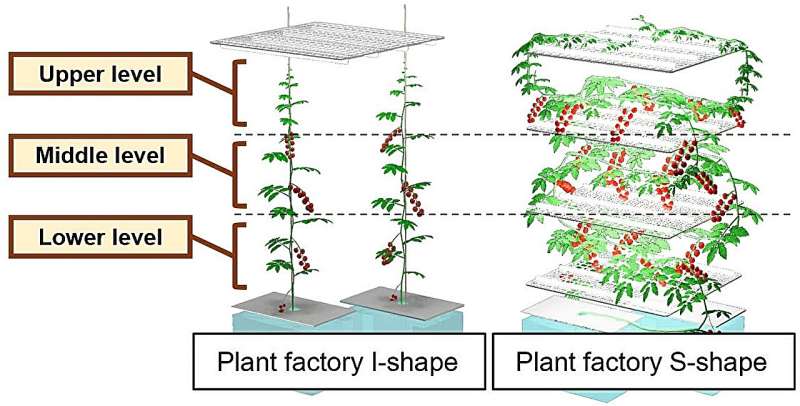
The team did more than just change a few lightbulbs for LEDs though. They first fit an enclosed factory space with the standard materials necessary for growing tomatoes, but introduced different lighting setups, both using high-efficiency LEDs, depending on which variety of tomatoes they were growing.

Over the course of a year, they lit large-fruited tomato plants from above, coaxing them to grow straight upwards as you’d expect. But the second setup involved lighting smaller cherry tomato plants from either above or from the sides, in such a way that they grew upwards in an S-shaped series of bends.

Inspired by bacteria’s defense strategies, scientists develop chemical DNA tagging for genome editing

A research team led by scientists from the Helmholtz Institute for RNA-based Infection Research (HIRI) has introduced a new way to fine-tune genetic material. Their study, published in Nature Biotechnology, describes an innovative technique in which chemical tags are attached directly to DNA, opening the door to new approaches in medicine, agriculture, and biotechnology.

Targeted editing of genetic information has advanced at an extraordinary pace in recent years. Tools such as the CRISPR-Cas9 “gene scissors” and base editing—a technique that makes precise, single-letter changes to DNA without cutting it—have already become standard in research and clinical development. These technologies are being used to treat genetic disorders, enhance crop resistance, and engineer bacteria for biotechnological purposes.

Researchers at the HIRI, a site of the Braunschweig Helmholtz Center for Infection Research (HZI), in cooperation with the Julius-Maximilians-Universität Würzburg (JMU), have developed a new method for precisely editing DNA. The HIRI team also cooperated with North Carolina State University in the U.S. and ETH Zurich in Switzerland. Their aim was to make genetic changes in bacteria, plants, and human cells even more accurate and gentle.

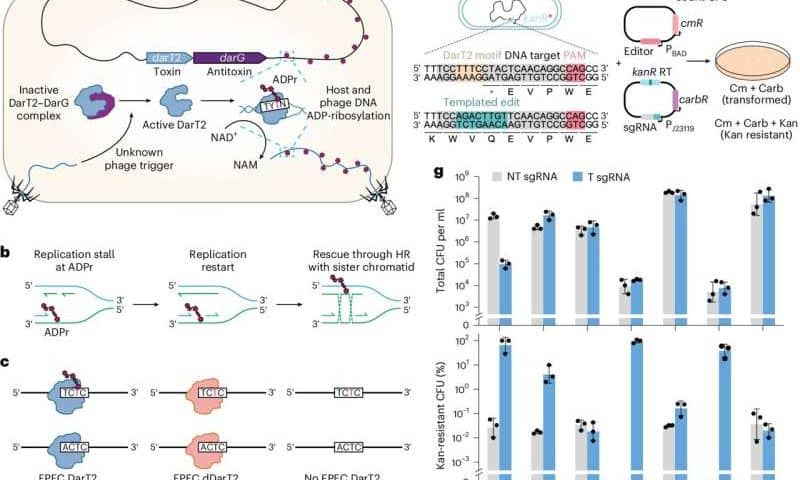
The team took inspiration from a natural bacterial defense system against viruses known as bacteriophages. To fight off these invaders, bacteria use two enzymes, DarT2 and DarG. During a viral infection, DarT2 attaches a chemical marker to the DNA, blocking replication and halting viral spread.

In the absence of a threat, DarG shuts down DarT2 and actively removes the marker. This finely tuned mechanism helps prevent the virus from spreading—and now serves as the foundation for a new genome editing approach.

This newly developed form of attachment has been named “append editing” by the researchers. “For the first time, this allows us to achieve new types of genetic modifications not possible with previous methods,” the scientists explain.

To understand the mechanism, DNA can be imagined as a notebook in which each page consists of a long chain of letters. While traditional gene-editing techniques typically remove or replace individual letters within this chain, append editing introduces a small chemical group—ADP-ribose molecules—at a specific site.

This addition functions like a “sticky note” affixed to a particular letter. The chemical marker convinces the cell to change this DNA with high precision and minimal disruption. The type of change, however, depended on the organism in which it was introduced.

‘DarT2’—pioneering a new era of genome editing

Unlike previous technologies, where the same tools produce similar results across all organisms, the effects of the append editing method were different between bacteria and eukaryotes, such as fungi, plants, and human cells.

“We observed that append editing led to the incorporation of large edits in bacteria based on a provided template, while in eukaryotic cells, the modified DNA base changed identity,” explains Chase Beisel, affiliated department head at HIRI.

“This was one of the most surprising findings—that the outcome of DNA repair could be very different between organisms,” adds Constantinos Patinios, a former postdoc in Beisel’s lab.

Researchers see numerous potential applications for this tool. “Our append editing method greatly expands the toolkit of genome research and opens new doors for precision biotechnology and medical therapy development,” says Darshana Gupta, a doctoral student at HIRI.

Specifically, microbes could be modified in a targeted manner—for example, to optimize naturally beneficial bacteria in the human body or to study pathogens more effectively. In human cells, precise editing could one day help to gently correct inherited diseases and provide new insights into DNA repair processes.

Further research is still needed before such applications can reach clinical practice. However, the scientists are confident. “DarT2 is another great example of the use of bacterial defenses in genome research,” says Harris Bassett, who is completing his Ph.D. in Beisel’s lab.

ACIP Day 2 Reveals Confusion, ‘Lack of Knowledge,’ on Revamped Committee

After a tension-packed two days that saw recommended changes to the MMRV vaccine schedule and COVID-19 vaccine access, as well as a delayed hepatitis B vaccine vote, policy experts expressed concern with the reconstituted committee’s dearth of previous experience and understanding of their role.

At the end of a long meeting of the CDC’s revamped vaccine advisory committee, committee member and COVID-19 vaccine workgroup leader Retsef Levi announced a series of four votes that had not been published ahead of time. 

Of particular interest was a vote on a recommendation that all COVID-19 vaccines require a doctor’s prescription—a non-binding recommendation. The Advisory Committee on Immunization Practices (ACIP) also voted that all patients receive a consultation with a healthcare provider about the rare adverse effects of COVID-19 vaccines. A third vote revamped ACIP’s recommendation to the CDC on the nation’s COVID-19 schedule, suggesting that anyone over age 65 get the vaccine, or anyone aged six months to 64 if they have an underlying condition, while the fourth recommended adjustments to COVID-19 vaccine information sheets to include more information about adverse events.

Although the votes were not known even to most of the committee members ahead of time (“I’ve hardly had a chance to read it,” committee member Cody Meissner said of one of the proposals), three of the four passed—only the vote to recommend requiring a prescription for vaccines was unsuccessful, with committee chair Martin Kulldorff breaking a dramatic 6-6 vote.

“This a tie, and the chair breaks it,” Kulldorff said. “I vote no, so motion has failed.”

A Lack of Knowledge

On Thursday, the opening day of the meeting, the ACIP debated at length the risks of adverse events like febrile seizures in children receiving the measles, mumps, rubella and varicella vaccine. The meeting’s second day brought even more questions and tensions regarding the country’s vaccine policies. 

To start Friday’s marathon session, Kulldorff addressed the confusion that reigned the previous day, when the committee voted to recommend against a combined measles, mumps, rubella and varicella (chickenpox), or MMRV, vaccine for children under the age of four, instead advocating for separate measles, mumps and rubella (MMR) and varicella (V) shots to reduce the risk of rare febrile seizures, which occur in about eight of every 10,000 vaccinations. 

At the same time, the committee voted to continue recommending the combo MMRV shot for children receiving vaccines through the Vaccines for Children (VFC) program, which immunizes around 52% of kids in the U.S. 

Observers noted that the committee seemed to misunderstand what they had been voting for, based on the conflicting conclusions.

“It reveals such a lack of understanding on the part of the committee on the role of what the ACIP is and the implications of their decisions,” Jason Schwartz, associate professor of public health at the Yale School of Public Health, told BioSpace. “There’s a clear lack of knowledge that committee members typically have; it just isn’t there.” 

Dorit Reiss, professor of law at UC Law San Francisco, agreed. “I think we’re seeing what happens when you appoint someone without previous experience,” she told BioSpace, “and do not give [the committee] the benefit of at least some people who know what they’re doing.”

At one point on the first day of the meeting, ACIP member Robert Malone asked if MMR and MMRV shots had the same amount of adjuvant within them, which they do not. That question revealed a lack of background on Malone’s part, Reiss noted.

“I was surprised and dismayed by how uninformed Dr. Malone was,” Reiss said, adding that Malone showed a “deep lack of knowledge” when he asked this question. “If he doesn’t know that, he really doesn’t know what he’s doing on vaccines, and he was one of those people I was expecting to have some knowledge.”

The committee voted Friday morning to reverse its recommendation for children covered under the VFC and align it with its other recommendation, so that all children in the U.S. are recommended to get separate MMR and V shots before the age of four. ACIP votes are non-binding recommendations to the CDC, though they do affect health insurance coverage in some states.

Delayed Decisions

Next up on the agenda was a much-anticipated vote to change recommendations for the “birth dose” of the hepatitis B vaccine for newborn babies, generally within 12 hours of birth. However, the committee ended up postponing that vote until further study could be conducted. The CDC reports that the vaccine is safe and effective, providing protection to 98% of healthy term infants.

That decision came after prolonged data presentations from career CDC scientists earlier in the morning. These talks emphasized the safety and efficacy of the hepatitis B vaccine, as ACIP members peppered the presenters with questions about their vaccine data in what Schwartz described as an adversarial tone. 

“ACIP and CDC had a long and deep, productive relationship that is now gone,” Schwartz said.

The tenor of the discussion came to the notice of even the ACIP members themselves. At one point on Thursday, the committee debated whether “irritability” post-vaccination was an adverse effect

Meissner told his fellow committee members that “irritability and restlessness are not objective measures to consider” in vaccines.

Amy Middleman, a subject matter expert representing the Society for Adolescent Health, spoke up to remind ACIP members that “there’s a risk to crossing the street,” and that they shouldn’t get distracted by individual studies that showed rare adverse events associated with a particular vaccine.  

Representatives of scientific and medical societies spoke during the comment section to advocate for the hepatitis B vaccine, COVID-19 vaccines and mRNA vaccines in general. They also asked for the chair to post the exact recommendations that the committee is voting on, which at the time was still not published online and had not been revealed in the meeting. Speakers came from societies like the Infectious Disease Society of America and the Pediatric Infectious Diseases Society, as well as private individuals calling in. 

After the final vote, Kulldorff brought the vote to a close, thanking all involved for the “spirited discussions.”

Bye Bye Bluebird: Gene Therapy Biotech Emerges From Private Buyout With Rebrand

Bluebird bio has re-emerged after a private equity buyout as Genetix Biotherapeutics, marking a return to its roots and a new path forward for manufacturing.

Bluebird bio is emerging from the other side of a private equity buyout and shedding its feathers. The gene therapy company announced a rebrand on Friday, revealing a return to its original name of Genetix Biotherapeutics.

Genetix also has new investors that have filled up the coffers with “significant capital” to support its gene therapy mission—although specifics were not provided. The company also laid out a path forward from the struggles of the past few years, including a plan to boost manufacturing and increase awareness of its three approved gene therapies.

Genetix was the biotech’s original name when it was founded in 1992. The name changed to bluebird in 2010 and while the company managed to get multiple gene therapies approved and across the regulatory finish line—Lyfgenia, Skysona and Zynteglo—the commercial market has proven tough to crack.

Facing a cash crunch heading into this year, bluebird agreed to a go-private buyout in February with global investment firms Carlyle and SK Capital Partners. The deal, which closed in June, was valued at about $50 million.

Since then, the newly private bluebird has been operating in darkness. Today, Friday, the biotech world got a peak behind the curtain at new CEO David Meek’s plans and the refreshed company, Genetix.

“Our rebrand is far more than a name change—it represents renewed hope for thousands of individuals who could benefit from our genetic therapies,” Meek said in a statement. “Although we are the market leader, the vast majority of patients have not yet received treatment.”

He pledged to make access to Genetix’s treatments simpler and more streamlined. While Genetix did not reveal a detailed roadmap, the plan is to expand its manufacturing footprint and bulk up partnerships with qualified treatment centers. Genetix will expand manufacturing capacity “within the next year to meet growing demand” and invest in existing manufacturing facilities. Specifically, the company will add cryopreservation of patient stem cells to “improve the treatment experience.”

On the clinical side, Genetix will keep working on the development of Lyfgenia, also known as lovo-cel. The therapy is being tested in a fully enrolled Phase III trial for adults and children with sickle cell disease. The open label test is examining a single dose administration in an effort to expand the therapy’s patient population to younger children.

Lyfgenia was approved in December 2023 as one of two gene therapies for sickle cell. The treatment can specifically be used for patients 12 years of age or older with a history of vaso-occlusive events, which is the painful, hallmark complication of the disease.

Turning apple waste into profit and protein

Every year, as the presses churn and the sweet smell of cider fills the autumn air, more than 4 million tons of apple byproducts are hauled off as animal feed, compost or landfill waste. But a new Cornell study offers apple skins, seeds, cores and pulp a different ending.

Freeze-dried and milled into a fine powder, the byproduct, known as pomace, can be blended into commercial beef meatballs at levels up to 20% without turning off consumers, according to a new study published in the Journal of Food Science and Nutrition. In sensory panels of more than 100 untrained tasters, the meatballs with apple pomace were indistinguishable in aroma, taste, texture and overall preference from all meat formulations.

“It’s a great source of fiber and bioactives,” said corresponding author Elad Tako, associate professor of food science in the College of Agriculture and Life Sciences. “But as an ingredient, it also has an antioxidant effect and contributes to a longer shelf life for food products.”

The finding is more than a kitchen curiosity. It also points toward a potential new revenue stream for apple and cider producers in New York state and a practical way to close a circular loop in food manufacturing. Rather than paying to dispose of pomace, processors could freeze-dry and sell it as a value-added ingredient to meat packers, food manufacturers and specialty producers.

That shift could trim disposal costs, reduce methane emissions from landfills and capture additional dollars from a resource now treated as waste. At the same time, it could increase dietary fiber content in popular processed foods and modestly reduce the share of animal protein without changing the eating experience.

“I’ve always had a passion for sustainability,” said Peter Gracey, first author and doctoral student in Tako’s lab. “There have been other experiments exploring the use of grape and apple pomace as an ingredient in other meat products.”

Gracey said they tested a realistic commercial scenario. They bought Cortland, Empire and Red Delicious apples at wholesale, pressed them at a commercial juice press, then freeze-dried the leftover pomace for 48 hours. After milling the dried material to a consistent particle size, they rehydrated it and blended it into 80% lean ground beef at 10% and 20% inclusion rates.

Beyond the tasting panels, they measured texture, color, composition and cooking yields. The 20% formulations did show a drop in cooking yield and a shift in internal color that might matter to manufacturers who need to meet specification standards. But the sensory panel did not penalize the higher inclusion levels, suggesting consumers may accept small changes if the product is otherwise familiar.

The benefits flow in multiple directions, Tako said. For cider makers and juice processors, pomace accounts for an estimated 25–30% of the total fruit mass. Handling that volume is expensive. Transportation and disposal costs can eat into already tight margins, especially for small and mid-sized processors. Turning pomace into a dry, shelf-stable ingredient means less waste-hauling and a marketable product that could be packaged, sold and distributed. For regional processors seeking new revenue streams, the approach could be appealing.

For meat producers, the ingredient adds pectin, fiber, polyphenols and micronutrients—all benefits that could be advertised in a “better for you” food package. Many populations fall short on recommended fiber intake. Adding fruit-derived fiber to processed meat products could help close that gap without asking consumers to change deeply ingrained habits.

The approach may be especially useful in institutional settings such as schools, hospitals and workplaces where familiar comfort foods are served at scale, according to the researchers, among them Olga Padilla-Zakour, Seneca Foods Foundation Professor and director of the Food Venture Center, Cornell AgriTech.

From a climate perspective, diverting pomace from landfills curbs methane emissions and reduces the environmental footprint of juice and cider production. Replacing part of the meat in processed foods with plant material lowers the embedded greenhouse gas intensity of those items. The study cites research indicating that substantial reductions in processed and red meat consumption could lead to steep declines in food-system emissions.

Globally, apple production topped 97 million metric tons in 2023. New York state is the second-largest apple producer in the U.S., home to thousands of apple growers and a growing number of small cider houses and juice operations. The prospect of a local market for pomace could keep dollars within regional supply chains, according to Tako. Instead of trucking wet waste to distant composting sites, a processor in the Finger Lakes could partner with a meat co-packer or snack-food manufacturer in the region.

The exact size of the potential market will depend on a string of practical issues, Gracey said, how much pomace producers can economically dry, how quickly they can supply consistent lots and whether food manufacturers will invest in formulation and labeling changes. Freeze-drying preserves bioactive compounds and structure, but it is energy-intensive and requires capital equipment or third-party services. Simpler drying technologies might work, too, but would need careful validation to preserve color, flavor and food safety.

If adopted, Tako said, “it’s a win-win-win. It could mean more natural, better-for-you products for meat companies and the people who care about getting enough protein and other nutrients, but also provide a new income stream for apple and cider producers.”

AI model offers accurate and explainable insights to support autism assessment

Scientists have developed and tested a deep-learning model that could support clinicians by providing accurate results and clear, explainable insights—including a model-estimated probability score for autism.

The model, outlined in a study published in eClinicalMedicine, was used to analyze resting-state fMRI data—a non-invasive method that indirectly reflects brain activity via blood-oxygenation changes.

In doing so, the model achieved up to 98% cross-validated accuracy for Autism Spectrum Disorder (ASD) and neurotypical classification and produced clear, explainable maps of the brain regions most influential to its decisions.

ASD diagnoses have increased substantially over the past two decades, partly reflecting greater awareness, expanded screening, and changes to diagnostic criteria and clinical practice. Early identification and access to evidence-based support can improve developmental and adaptive outcomes and may enhance quality of life, though effects vary.

However, because the current diagnosis primarily relies on in-person and behavioral assessments—and the wait for a confirmed diagnosis can stretch from many months to several years—there is an urgent need to improve assessment pathways.

The researchers hope that with further validation, their model could benefit autistic people and the clinicians who assess and support them by providing accurate, explainable insights to inform decisions.

The study was the result of a final-year undergraduate project by BSc (Hons) Computer Science student Suryansh Vidya, supervised by Dr. Amir Aly, and researchers from the School of Engineering, Computing and Mathematics at the University of Plymouth. They were in turn supported by researchers from the University’s School of Psychology and the Cornwall Intellectual Disability Equitable Research (CIDER) group, part of the Peninsula Medical School.

Dr. Aly, Lecturer in Artificial Intelligence and Robotics at the University and the study’s academic lead and corresponding author, said, “There are more than 700,000 autistic people in the UK, and many others are waiting to be assessed. Because diagnosis still depends on a specialist’s in-person behavioral evaluation, the journey to a confirmed decision can take many months—and in some areas, years.

“Our work shows how AI can help: not to replace clinicians, but to support them with accurate results and clear, explainable insights, including a model-estimated probability score, to help prioritize assessments and tailor support once further validated.”

Using the Autism Brain Imaging Data Exchange (ABIDE) cohort, which included 884 participants aged 7 to 64 across 17 sites, the team analyzed pre-processed rs-fMRI data and ran a side-by-side comparison of explainability methods. Gradient-based techniques performed best, and the resulting maps were broadly consistent across preprocessing approaches, showing which brain regions most influenced the model’s predictions.

The research is already being taken forward by Ph.D. researcher Kush Gupta, a co-author on the current study, incorporating different kinds of multimodal data and machine learning models with the objective of developing a robust and generalizable AI-driven model that could support clinicians in autism assessment all over the world. This complements Dr. Aly’s broader research program, including the use of robots to support autistic people, and developing AI methods for analyzing health-sector data.

Professor Rohit Shankar MBE, Professor in Neuropsychiatry at the University and Director of the CIDER group, is the current study’s senior author. He added, “We have shown that artificial intelligence has the potential to act as a catalyst for early autism detection and advancing diagnostic accuracy. However, some of Robert Frost’s words come to mind—’the woods are lovely, dark and deep, but we have miles to go before we sleep.’ In the same way, these are early prototypes which require further validation and research.”

CD82 protein may hold key to stopping deadly blood vessel leakage in multi-organ failure

A new study from the University of Oklahoma reveals how a little-understood protein, CD82, contributes to blood vessel leakage, a process that initiates inflammation but becomes dangerous when it occurs during severe inflammatory diseases such as sepsis, acute respiratory distress syndrome and COVID-19.

The findings, published in Nature Cardiovascular Research, could open the door to new therapies aimed at protecting patients from multi-organ failure and death in severe and systemic inflammation.

Blood vessel (vascular) leakage happens when blood vessels lose their ability to act as tight barriers, allowing fluid and proteins to escape into surrounding tissues. This condition, when it becomes dysregulated, is a hallmark of severe inflammation and contributes to life-threatening complications.

“CD82 is a type of protein called a tetraspanin, and while tetraspanins are known to regulate the formation of new blood vessels and the progression of cancer, their role in inflammation is less clear. This study found that CD82 makes blood vessels more prone to leak during inflammation. In our animal models, when we eliminated CD82 from blood vessels, the vascular leakage was substantially reduced during inflammation,” said the paper’s senior author, Xin Zhang, Ph.D., a professor of biochemistry and physiology at the University of Oklahoma College of Medicine and a member of OU Health Stephenson Cancer Center.

Zhang and his team also discovered that a small, active portion of cholesterol on the surface of the blood vessel cells is important in this process. CD82 interacts with this “accessible cholesterol,” setting off signals inside the cells that make the blood vessels leakier. However, they also found that lowering this pool of cholesterol with a statin can strengthen vessel walls and reduce leakage.

“This research points to new strategies, including possibly repurposing drugs like statins, to stabilize blood vessels when the body is overwhelmed by inflammation,” Zhang said. “However, these findings are based on preclinical research and will require further studies before being applied in human patients.”