IL-10 is a small protein with a big part in preventing pulmonary fibrosis

For a long time, physicians and scientists believed our lungs were sterile (germ-free). But modern science indicates otherwise. Now we know they contain allergens, bacteria or viruses we inhale, such as influenza or SARS-COV-2, the virus that causes COVID-19. When those contaminants combine with inflammation, it can lead to chronic lung disease.

UIC researchers have discovered that a small protein called IL-10 is critical for preventing lung inflammation and associated diseases like pulmonary fibrosis and bronchiolitis. Their work appears in the journal Immunity.

Every human body has a microbiome: a community of tiny living organisms like bacteria that help our bodies digest (in the gut), secrete moisture (in our skin), and carry out other functions. These microorganisms are in constant communication with our immune systems to maintain balance.

“Our immune system needs to be strong enough to fight off threats without triggering excessive inflammation or over-the-top immune responses,” said the study’s lead author, Kiwook Kim, an assistant professor of pharmacology and regenerative medicine at the UIC College of Medicine.

Previous research has shown that interstitial macrophages, white blood cells nestled in our lung tissue, help keep lungs healthy by clearing out dead cells and unwanted microorganisms. Kim said they’re also vital for resolving respiratory diseases, but researchers aren’t entirely sure how.

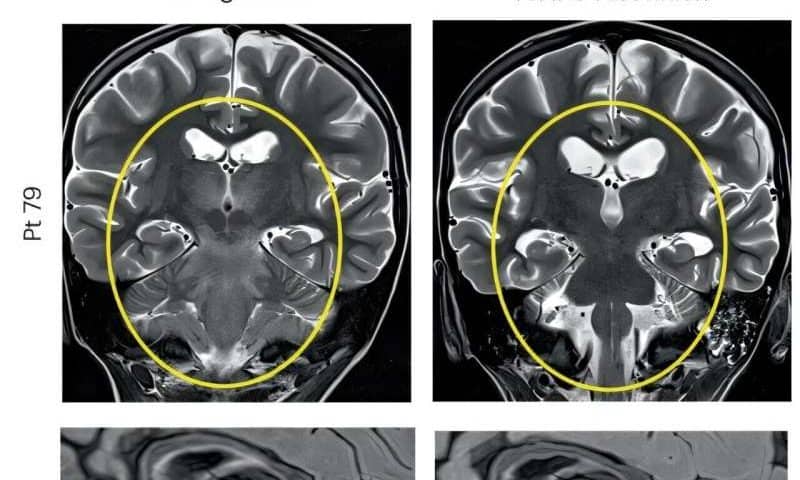
Kim and his colleagues found that interstitial macrophages produce an interleukin-10, or the IL-10 protein receptor, which sends anti-inflammatory signals to immune cells. In mouse models without IL-10 signaling, the researchers observed spontaneous lung inflammation.

When IL-10 signaling was absent, the researchers noticed two bacteria initiating lung inflammation: Delftia acidovorans and Rhodoccus erthropolis.

“It’s the perfect storm,” said Teruyuki Sano, a co-author and assistant professor of microbiology and immunology in the College of Medicine. “When the bacteria are present and IL-10 signaling is absent, inflammation and resulting diseases are more likely to occur.”

The researchers said understanding these micro-operations inside the lung is crucial for catching and treating pulmonary diseases, like pulmonary fibrosis, follicular bronchiolitis and COPD.

Open-source AI tool aims to accelerate drug discovery for lifesaving therapies

To solve a problem, we have to see it clearly. Whether it’s an infection by a novel virus or memory-stealing plaques forming in the brains of Alzheimer’s patients, visualizing disease processes in the body is the first step toward alleviating human suffering. It’s also often the most difficult and costly.

But an artificial intelligence (AI) breakthrough by Virginia Tech computer scientists published in Cell Systems is bringing those fog-bound processes into focus.

The new ProRNA3D-single tool developed by Debswapna Bhattacharya, associate professor of computer science, and his research team offers a new and more accurate way to predict and visualize what’s going on inside us when novel viruses and devastating neurological diseases attack—offering a new pathway to treating them or preventing them altogether.

“The ultimate goal is to accelerate the drug discovery process to prevent the RNA viruses from interacting with host proteins, potentially stopping infections before they grow into pandemics or inhibiting altered function of RNA binding proteins in Alzheimer’s disease,” he said.

A bilingual ChatGPT for biology

For decades, scientists have struggled to understand how viral ribonucleic acid (RNA) binds to human proteins to form complex 3D molecular structures. That’s important because those forms control whether pathogens such as SARS-CoV-2 can spread or if diseases such as Alzheimer’s take hold.

AI systems are helping by creating an “alphabet” to represent DNA, RNA, and proteins, which researchers can then use to train large language models (LLMs) for biological sequences to analyze and simulate how these molecules interact in the body.

But ProRNA3D-single goes further than alphabets. It uses AI to generate finely detailed images of these molecules in 3D.

“The bio LLMs are basically like ChatGPT, but for biological sequences. And just like ChatGPT, we can ask our models questions and get answers,” Bhattacharya said.

The Virginia Tech team took two existing biological LLMs—one for proteins and another for RNA sequences—and created a third model that allows these LLMs to “talk” to each other. Out of those “conversations,” ProRNA3D-single can generate 3D structural models of viral RNA interacting with proteins in the body. It’s a big breakthrough.

“This is basically a neural pairing of two different large language models, leading to bilingual reasoning,” Bhattacharya said. “From a computer science standpoint, that’s a contribution in itself.”

Even recent breakthrough AI models developed by Google DeepMind and others have fallen far short of accurately predicting and modeling protein-RNA complex 3D structures, leaving researchers to rely primarily on costly trial-and-error experiments.

But the new ProRNA3D-single method has significantly increased accuracy and has opened a promising new road to AI-assisted scientific discovery.

Bringing disease into focus

Little is known about how novel viruses such as SARS-CoV-2 evolve or how conditions such as dementia develop at the molecular level, but ProRNA3D-single helps fill those gaps and generate more accurate maps of the inner landscape. Now, instead of guessing, drug developers can analyze where viruses attach to human proteins and design treatments to block them. That could dramatically cut the time and cost of interventions and speed up responses to outbreaks.

“If you remember the COVID-19 pandemic and the mRNA-based vaccine that actually helped a lot—that vaccine worked because it was an RNA-based therapeutic,” said Sumit Tarafder, a fourth-year Ph.D. student on the project. “Modeling of protein-RNA interactions in 3D is crucial, so that we know where the drug can actually target molecules that cause disease.”

Not only that, but by generating new data about RNA-protein interactions, the ProRNA3D-single model creates insights that could lead to groundbreaking treatments for a range of maladies.

While the Virginia Tech team used viruses as a case study, “the method is fully generic. It’s not specific to a single type of virus or a family of viruses,” Bhattacharya said. “This method can be applied to any use case.”

Discover the latest in science, tech, and space with over 100,000 subscribers who rely on Phys.org for daily insights. Sign up for our free newsletter and get updates on breakthroughs, innovations, and research that matter—daily or weekly.

Open science, global impact

Innovative methods like ProRNA3D-single don’t come easily. Two years of work have gone into this project.

Alumnus Rahmatullah Roche, Ph.D. ’24, did much of the coding, publishing more than a dozen papers on the subject during his doctoral work. He has since joined Columbus State University as a tenure-track assistant professor.

“The lead Ph.D. students did enormous work,” Bhattacharya said. “They did most of the heavy lifting.”

“We can’t overstate the importance of investing in science to benefit society. We believe that openness is the key to making science accessible to everybody,” Bhattacharya said. “Taxpayers fund us, so we have an obligation to give back, which is why we make our work open source and publicly available.”

The team hopes to continue development of the tool to improve its accuracy and get even more detailed models of various biological processes.

“We should constantly remind ourselves the problem is far from being solved,” Bhattacharya said. “We made progress, yes, but we’re mindful of the fact that these models have a long way to go.”

Three new African Swine Fever detection technologies revealed amid vaccine concerns

Three new technologies to detect and manage African Swine Fever have been unveiled in the Philippines amid ongoing concerns about a vaccine imported from Vietnam.

African Swine Fever, which causes hemorrhagic fever in pigs, has had a devastating effect on the country’s swine industry, with outbreaks occurring in 76 out of 82 provinces since 2019 and six provinces recording active cases last month.

Vietnam is also battling a serious outbreak, with thousands of pigs infected.

The Philippines’ Department of Science and Technology (DOST) and Filipino-owned life science company BioAssets Corporation have developed a rapid DNA extraction kit and real-time detection kit for farmers.

A mobile biocontainment laboratory, developed by BioAssets Corporation, is designed to support rapid response to potential outbreaks and improve disease surveillance, enabling farmers to diagnose the disease on-site.

DOST Secretary Renato U. Solidum, Jr. said the interventions demonstrated how science, technology and innovation can offer “holistic solutions to pressing animal health challenges” impacting food security.

However, Fermin Diaz, editor of the online magazine Livestock and Meat Business, told SciDev.Net: “The way I look at it, it seems that these new tools are just palliatives … so that the DOST can say that they are addressing the matter.

“Those kits have very minimal contribution to the overall diagnostic aspect of disease management.”

African Swine Fever is a highly contagious viral disease affecting domestic and wild pigs, with mortality rates as high as 100%. It has caused huge economic losses and disruption to the pork supply chain, threatening food security across the region.

If left unchecked, there is a risk that the virus could mutate, potentially making it more transmissible or virulent.

The Philippine government, with the assistance of the UN Food and Agriculture Organization (FAO), has adopted a three-pronged strategy to combat the virus in the last year, focused on prevention, control and vaccination.

Constante Palabrica, the Philippines’ agriculture undersecretary for livestock, said cases were going down thanks to “zoning and checkpoints” as part of the new program. He noted that no microbial mutations have been identified.

According to official figures, more than 495 cities and municipalities have been upgraded from “red” infected zones to “pink”, meaning they are no longer under quarantine.

Vaccine controversy

The Philippine government has imported large quantities of the Vietnam-made AVAC vaccine, despite concerns over trial data, it emerged at a House of Representatives committee meeting on trade, industry and agriculture in June.

The vaccine was distributed to local livestock raisers in a bid to prevent mass deaths of farmed pigs, a source of livelihood for thousands of people.

But the move alarmed some who fear a repeat of the experience in Vietnam with live attenuated vaccines—a live vaccine which has been weakened—where it affected the health of pigs.

“The nationwide implementation of Live Attenuated Vaccines in Vietnam for prophylaxis has likely influenced the viral genetic pool among the swine population,” said an article published in the journal Scientific Reports.

The Philippines’ Food and Drug Administration said in 2024 that field trials had been ongoing in the country for almost two years and claimed that the vaccine had a 100 efficacy with no side effects. However, no trial data has been made public.

“I would like to express grave concern over the vaccine trials,” said representative Ferjenel Biron, a doctor of medicine, during the 11 June Congressional hearing.

He questioned why a Certificate of Public Registration was issued despite two veterinarians who evaluated the AVAC vaccine deeming it to be unsafe.

According to Diaz, the vaccine has a low acceptance rate among farmers in the Philippines, with only about “5 to10%” using it.

“The product is being heavily and indiscriminately endorsed by the Department of Agriculture … with very inadequate orientation taken about the product’s risks and downside effects,” he added.

An association of swine raisers in Batangas province told SciDev.Net it was concerned about using the vaccine on swine herds.

“We won’t take the risk,” the group representative said on condition of anonymity. “It’s still experimental.”

The AVAC ASF LIVE vaccine, was created by AVAC Vietnam JSC and imported into the Philippines by KPP Powers Commodities Inc. It is derived from a virus strain called ASFV-G-MGF, or MGF.

In 2022, the US Department of Agriculture issued a public notice warning that MGF had “the potential to pose a severe threat to animal health or animal products”.

“It has also been determined that the virus strain is not safe for use in pigs because its genome is unstable, potentially leading to reversion of virulence,” the notice warned.

Low vaccination rate

Nguyen Van Diep, general director of AVAC Vietnam Joint Stock Company and project leader for the ASF vaccine, said the vaccine been in use since July 2022.

“The reason that outbreaks still occur is because of the low vaccination rate,” he told SciDev.Net. “According to our estimates, at any given time, it is at less than 5%.”

Disputing that the vaccines from AVAC sent to the Philippines were substandard, Diep said vaccine-makers adhered to strict standards on quality and highlighted the perishable nature of vaccines.

“Preserving a live-attenuated vaccine is also important. It should be kept at 2 to 8C. It has a shelf life of 24 months from the date of manufacture,” he said.

Since the first outbreak in China in 2018, 20 countries have reported African Swine Fever, according to the World Organisation for Animal Health.

Lionel Dabbadie, FAO representative in the Philippines, told SciDev.Net: “There is no cure as of today, so traditional control measures, such as culling infected and susceptible animals, enforcing stringent biosecurity protocols, and restricting the movement of pigs and pork products have been the main control method used so far,” Dabbadie told SciDev.Net.

He stressed that a multi-faceted approach was crucial to stem the disease. “Vaccines are promising, but they are not a panacea,” he said.

Novo’s Amylin Injectable Cagrilintide Hits 11.8% Weight Reduction in Phase III Trial

The sub-analysis, presented at the European Association for the Study of Diabetes congress, showed improved safety data to counteract past tolerability issues.

Novo Nordisk’s long-acting amylin analog cagrilintide reduced body weight by 11.8% after 68 weeks of treatment, according to a sub-analysis of a late-stage trial evaluating the drug.

The data, presented Tuesday at the European Association for the Study of Diabetes (EASD) congress, came from the company’s REDEFINE 1 Phase III trial. This is the first time Novo has presented late-stage data for the hopeful next-generation amylin treatment as a monotherapy.

The candidate “provided clinically meaningful weight loss,” according to Novo, with the 11.8% weight reduction comparing to 2.3% in patients who received a placebo, in combination with lifestyle changes.

Novo touted cagrilintide as being “well-tolerated,” with just 1% of patients who received the drug discontinuing, compared to 0.1% in the placebo arm. Side effects were mostly gastrointestinal, including nausea, vomiting, diarrhea and constipation, which are all commonly reported adverse events for approved weight loss drugs.

“These data highlight the exciting potential of cagrilintide to offer an alternative approach for people to lose weight, achieve health-related outcomes and manage their obesity, including a favorable tolerability profile,” Timothy Garvey, the study’s lead investigator and director of the Diabetes Research Center at the University of Alabama at Birmingham, said in a statement.

The update is a step in the right direction for Novo’s candidate, which has previously been dinged by tolerability concerns in prior readouts. A previous readout from REDEFINE 1 testing CagriSema—a combination of cagrilintide and Novo’s GLP-1 agonist semaglutide—found that 12% of patients reported injection-site reaction adverse events.

When patients received each drug separately, however, 2.6% of patients taking semaglutide reported the same events, compared to 17% of patients on cagrilintide, leading William Blair analysts in June to conclude that the reactions were “primarily due to the cagrilintide component” of CagriSema.

Novo will evaluate cagrilintide’s safety and efficacy in people with obesity or who are overweight in a dedicated Phase III trial called RENEW, set to begin in the fourth quarter, according to Novo’s statement.

Novo is, as ever, jostling with obesity market rival Eli Lilly. The rival will present further data for oral candidate orforglipron at EASD from the Phase III ATTAIN-1 trial on Wednesday. Initial results from that trial were met with shrugs when the drug failed to generate as much weight loss as injectable semaglutide, in data announced in early August.

Nevertheless, Lilly is racing to get orforglipron approved as soon as possible, with the aim to beat a next-generation Novo product to market. Lilly could reportedly benefit from the use of the FDA’s newly launched Commissioner’s Priority Voucher to score a one-to-two-month review on orforglipron. However, according to Lilly, it is “too early” to know if the company can qualify for the voucher.

Trump’s Reshoring Drive Raises Questions About Supply Resilience

Some observers see risks to becoming over-reliant on local facilities, noting the potential need for trade partners if domestic production is disrupted.

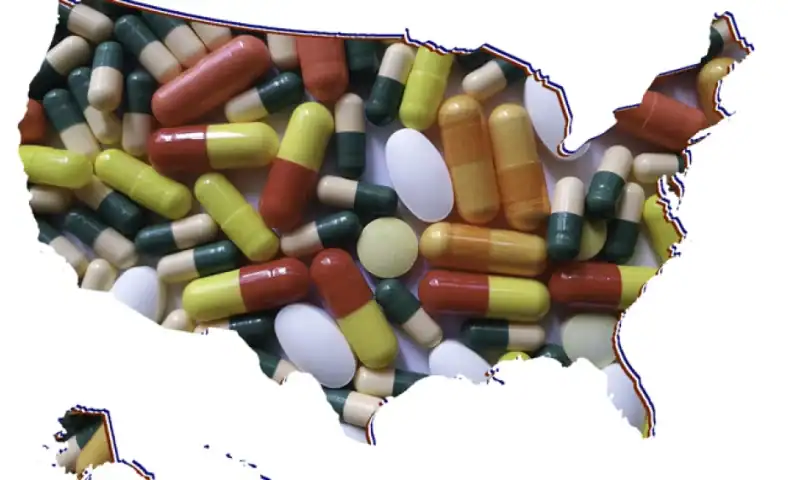
President Donald Trump has been vocal about his desire to bring pharma manufacturing back to the U.S., leveraging government buying power and the threat of tariffs to try to reshape global supply chains. Trump has backed away from the steepest tariff threats but continues to encourage reshoring via mechanisms such as an August executive order that could drive sales of domestically made active pharmaceutical ingredients. The agenda has raised a question: How much production can and should move back to the U.S.?

The FDA has said that historically, the production of medicines for the U.S. has been domestically based. That has changed in recent decades, facilitated by trends such as a doubling of FDA-registered facilities making active pharmaceutical ingredients (APIs) in China between 2010 and 2019.

Last year, most finished products and APIs sold in the U.S. came from overseas. The U.S. Pharmacopeia (USP) calculated that in 2024, the country manufactured 45% of injectables and 22% of solid oral dosage forms sold domestically. The European Union was the next biggest source of injectables, holding 15% of the sector, while India dominated the solid oral dosage sector with a 60% share of the market.

A separate USP analysis showed that excluding intravenous fluids, U.S. manufacturing supplied 12% of the APIs used in domestically made medicines. The figure reflects a 15% share of the branded market and a 12% share of the generic sector. Again, the EU and India are the other big players. The EU commanded 43% of the branded space, and India held a 35% share of the generic market.

U.S. exports of pharmaceutical products totaled $94.4 billion last year, according to United Nations data. Imports were $212.7 billion. By comparison, in 2000, the UN recorded exports of $10.5 billion and imports of $12.2 billion.

Trump has taken steps to increase the U.S.-made share of finished products and APIs. His threat of tariffs prompted companies to outline plans to invest billions of dollars in U.S. manufacturing sites. Initiatives such as the Strategic API Reserve (SAPIR) could drive further onshoring.

The SAPIR executive order calls for the creation of a six-month supply of the APIs needed to make certain critical medicines. When sourcing ingredients, the Office of the Assistant Secretary for Preparedness and Response (ASPR) should have “a preference for obtaining domestically manufactured APIs if possible,” according to the order.

Onshoring could make the U.S. less vulnerable to disruptions to global supply chains, as happened early in the COVID-19 pandemic. Yet some observers see risks to the U.S. becoming over-reliant on local facilities.

Resiliency Through Trade

John Murphy, president and CEO of the Association for Accessible Medicines (AAM), told BioSpace that the generic drug trade group has cautioned against relying exclusively on domestic manufacturing on the grounds that it could harm supply chain resilience.

If U.S. plants are hit by natural disasters, the country may need supplies from overseas. A strategy focused solely on domestic supply would not establish trade routes with foreign partners that could provide APIs and finished products in the event the U.S. is unable to meet its own needs, Murphy said. That concern informs AAM’s preferred model for making the supply chain more resilient.

“We need to have a comprehensive approach,” he said. “The [SAPIR] executive order sort of hints to that where they say, ‘Look, there should be a preference for domestically made products. However, if that’s not available, then we should be stockpiling from trading partners’.”

A spokesperson for the API Innovation Center (APIIC), a nonprofit focused on the U.S.-based supply of APIs, similarly told BioSpace via email that “we cannot reshore all production” and advocated for continuing to build domestic capacity “for the most critical ingredients.” The spokesperson added that the executive order offers an opportunity to make the U.S. “less dependent on foreign development of the key ingredients that create our life-saving medicines.”

The wording of the SAPIR executive order gives ASPR the option to source APIs from overseas while still enabling the government to use its buying power to encourage domestic production. Some potential barriers to sourcing APIs from overseas have come down since Trump published the executive order in August.

Trump Backs Off on Tariff Barriers to Trade

Having threatened in August to impose tariffs of up to 250% on pharmaceuticals, Trump struck a U.S.-European Union trade deal later that month that capped the levy at 15% and facilitated a lower tax on generic drugs.

Under the terms of the agreement, U.S. imports of generic pharmaceuticals, as well as their ingredients and chemical precursors, from the European Union are only subject to the “most favored nation” tariff, the standard rate that countries apply to imports from other World Trade Organization members in the absence of a free trade agreement. In a question and answer document, the European Commission said it expects the MFN tariff to be “effectively zero or close to zero.” The generic drug industry has welcomed the decision to exempt its products from the 15% maximum tariff.

“We view that as a step in the right direction. What we’ve been saying for a long time is that the generics market is a unique one,” Murphy said of the agreement. “We need robust trading relationships with our allied partners to ensure that there’s availability of low-cost generic medicines across all of these continents.”

In September, Trump signed another executive order that excluded generic medicines, ingredients and chemical precursors imported from Japan from reciprocal tariffs imposed on other imported products. The order set the tariff on generic products imported from Japan at 0%, providing the U.S. with zero-rate trade with another major pharma market.

AstraZeneca Suspends $270M UK Commitment Months After Scrapping Vaccine Facility

AstraZeneca in January also stopped its $610 million plans to construct a vaccine R&D and manufacturing site in the U.K.

AstraZeneca has put on ice its £200 million (roughly $271 million) investment in the U.K., becoming the latest pharma powerhouse to cut back planned operations in the European country.

A spokesperson from the company confirmed this news to Reuters on Saturday, noting that “we constantly reassess the investment needs of our company and can confirm our expansion in Cambridge is paused.” The spokesperson declined to provide additional details on the decision.

AstraZeneca first announced this U.K. commitment in March 2024, noting that the money will be used to beef up its life sciences research campus in Cambridge, where it is headquartered. Once complete, the pharma expected this investment to create 1,000 new jobs. The Cambridge commitment also came with a £450 million—around $610 million—pledge to construct a vaccine R&D and manufacturing plant in Liverpool.

These plans have since been dashed. Aside from Saturday’s pullback, AstraZeneca revealed in January this year that it will no longer be moving ahead with its vaccine project in the U.K. “Several factors have influenced this decision including the timing and reduction of the final offer compared to the previous government’s proposal,” a company spokesperson told Reuters at the time.

Then, during the pharma’s first-quarter business call in April, CEO Pascal Soriot warned that the U.K., and Europe more broadly, had to step its game up and invest more resources into biopharma—or risk losing out to the U.S. and to China.

“When you see the amount of investment that is currently going into the US, it really sends a very strong signal that Europe has to contribute to innovation and pharmaceutical innovation a lot more,” Soriot said at the time, according to reporting from The Guardian. Otherwise, he added, “all these jobs, whether they are manufacturing jobs or R&D jobs, are going to move to the U.S. over time.”

That same month, a coalition of pharma companies—including AstraZeneca and Pfizer—wrote to European Commission President Ursula von der Leyen, outlining several requests to help these firms maintain their presence in the region. Among these are compensations to recoup the costs of scientific innovation and a simpler regulatory framework.

Also curtailing plans in the U.K. is Merck, which last week announced that it would no longer push through with its roughly $1.3-billion R&D facility there. Merck will also end its R&D efforts in the country, saying it expects to wrap them up by the end of the year. According to a company spokesperson at the time, this pullout will cost the U.K. 125 jobs.

GD2 CAR T treatment induces durable remissions in high-risk neuroblastoma

From Bambino Gesù Children’s Hospital in Rome comes a report that a third-generation CAR T cell therapy targeting GD2, designated GD2–CART01, induced durable remissions and long-term survival in children with high-risk metastatic, relapsed, or refractory neuroblastoma.

High-risk neuroblastoma often carries poor long-term outcomes after first-line failure, with prior work noting progression-free survival and overall survival largely under 20%.

Recent results from the Society of Pediatric Oncology European Neuroblastoma Group’s randomized BEACON-Neuroblastoma trial reported improved outcomes, as compared to historical controls, but the overall response rate did not exceed 30%, and a high rate of subsequent progression and relapse was observed.

Evidence from the Children’s Oncology Group ANBL1221 trial and subsequent North American and European analyses reported a 41.5% overall response rate and 67.9% one-year progression-free survival for chemoimmunotherapy using GD2-directed monoclonal antibodies with chemotherapy. Among 21 responders who stopped therapy, subsequent one-year progression-free survival was 26%.

In the study, “GD2-targeting CAR T cells in high-risk neuroblastoma: a phase 1/2 trial,” published in Nature Medicine, researchers conducted a single-center Phase I/IIa clinical trial to assess safety, maximum tolerated dose, overall response rate and complete remission at six weeks, three months and six months, with secondary endpoints including five-year overall survival and GD2–CART01 persistence.

A dose-finding stage tested multiple concentrations using an escalation–deescalation design, followed by a Phase II stage treating all participants with the best performer. Primary goals included safety, identification of the maximum tolerated dose, overall response rate, and the dosage achieving complete remission at six weeks, three months, and six months. Secondary goals included five-year overall survival and persistence of GD2-CART01.

Among 32 evaluable children in the trial, overall response reached 66% (21/32). Complete remission reached 37% at six weeks, 34% at three months, and 40% at six months. GD2–CART01 persisted for at least 12 months in 64% of trial participants evaluable at longer follow-up.

With a median follow-up of 4.2 years, five-year overall survival for the trial cohort reached 42.67%.

Across the predefined target population with low disease burden, overall response reached 77%. Five-year overall survival reached 67.6%, and event-free survival reached 52.8%.

Better five-year overall and event-free survival rates were observed in children treated after one to two prior lines of therapy compared with those treated after three or more lines.

Cytokine release syndrome, an inflammatory reaction, occurred in 79.6% of treated children, mostly grades 1–2, with four grade 3 events.

Immune effector cell-associated neurotoxicity syndrome, a serious neurological and cognitive impairment, occurred in 10 children, reached grade 3 in four, and was controlled by rapidly activating the “safety switch,” an inducible caspase-9 suicide gene engineered into the infused GD2–CART01 cells. Activation occurred after rimiducid administration, with a rapid drop in circulating CAR T cells with clinical improvement reported.

Authors conclude that GD2–CART01 can induce sustained remissions in children with high-risk neuroblastoma, especially when administered at low disease burden and earlier in the treatment course. Next steps include a multicenter international Phase II clinical trial.

Artificial protein combines elasticity and cell signaling to enhance tissue regeneration

A joint research team from POSTECH and Inha University researchers has successfully developed a novel biomaterial that overcomes the limitations of natural elastin.

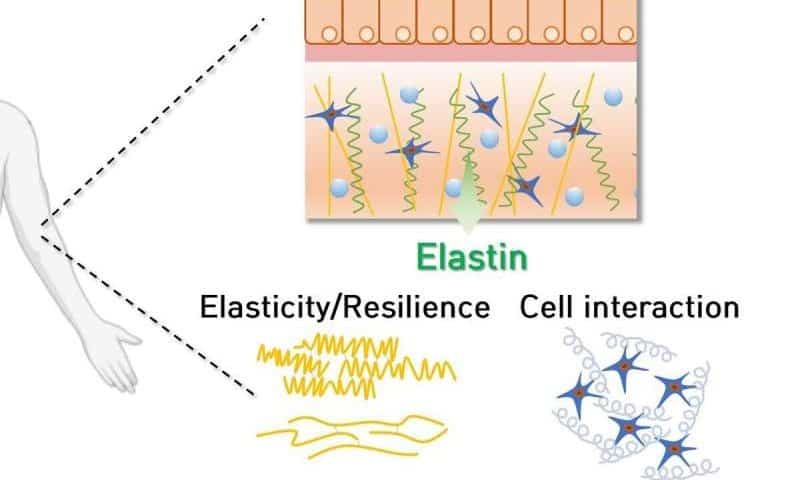
Our bodies contain a special protein called elastin, which has a remarkable ability to stretch like a rubber band and snap back to its original shape. This elasticity is crucial for the function of various organs, allowing the lungs to inhale and exhale, blood vessels to expand and contract with each heartbeat, and the skin to remain smooth and supple.

Despite its utility, using natural elastin for medical applications is challenging. It’s available in limited quantities naturally, the purification process is complex, and there’s a risk of an immune reaction when administered to humans in other individuals. To address these issues, scientists developed elastin-like polypeptides (ELPs), which could be produced in large quantities but could not fully replicate the complex, precise functions of natural elastin.

The joint research team from POSTECH and Inha University created a new protein by selecting and reassembling the most critical parts of tropoelastin, the precursor to human elastin. They precisely combined three distinct domains—a hydrophobic domain that influences the protein’s physical properties, a cross-linking domain that provides stability, and a cell-interaction domain that promotes interactions between cells. This new protein was named elastin domain-derived protein (EDDP).

EDDP offers several advantages. It can be mass-produced like conventional ELPs while retaining the elasticity and resilience comparable to natural elastin. More remarkably, EDDP promotes cell adhesion and growth by transmitting signals that were lacking in conventional ELPs. This enhanced cell-interaction function directly aids cell survival and growth, making it highly effective in regenerating damaged tissues.

Professor Hyung Joon Cha of POSTECH expressed optimism about the discovery, stating, “This newly developed EDDP could be used to regenerate tissues where elasticity is crucial, such as heart valves, blood vessels damaged by heart disease, or torn ligaments.”

The research, led by Professor Cha’s team at POSTECH with Seung Kyeum Cho and Professor Yun Jung Yang’s team at Inha University, is published online in Acta Biomaterialia.

Synchrotron X-rays help identify promising candidate in the battle against antibiotic resistance

Alexander Fleming’s accidental discovery of penicillin in 1928 changed the world: Once-common bacterial infections, sometimes deadly, were treatable, and a slew of antibiotics followed. But bacteria have proven a wily adversary, adapting to resist antibiotic treatment.

In a recent scientific advancement, a team led by James Fraser, chair and professor of Bioengineering and Therapeutic Sciences at the University of California, San Francisco, developed a compound that may restore the efficacy of a class of antibiotics known as streptogramins.

To do this, the researchers used bright X-rays at the Stanford Synchrotron Radiation Lightsource (SSRL) at the Department of Energy’s SLAC National Accelerator Laboratory and the Lawrence Berkeley National Laboratory’s Advanced Light Source (ALS) to study molecular structures and interactions between candidate drug compounds and bacteria. Their findings, published in Structure, point to a promising lead in designing new therapies.

“This discovery is an exciting step forward in the fight against antibiotic resistance,” said Aina Cohen, division director of Structural Molecular Biology at SSRL. “By harnessing the intense X-ray beams at synchrotrons, the Fraser group identified previously hidden binding sites that offer a promising path to inhibit a bacterial enzyme that makes antibiotics less effective. This could help bring back the power of certain antibiotics that no longer work against resistant infections.”

Narrowing the search with powerful X-rays

Antibiotics kill bacteria by disrupting structures and functions crucial for the bacteria’s survival. Over time, bacteria have evolved mechanisms to interfere with this process—with some particularly pesky bacteria able to resist multiple antibiotics. Streptogramins are naturally occurring antibiotics that can overcome these mechanisms in multidrug-resistant Gram-positive bacteria, which often cause blood or severe skin infections. Streptogramins bind to the bacteria’s ribosome to hinder critical protein synthesis processes.

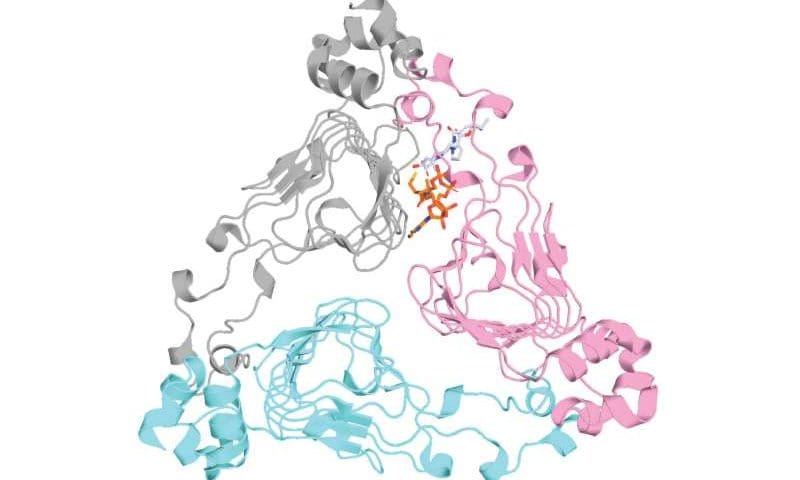
In recent years, some multidrug-resistant Gram-positive bacteria strains evolved to produce a protein, Virginiamycin acetyl transferase D (VatD), that interferes with the binding of streptogramin to the ribosome. Fraser’s team aims to develop a drug that interrupts VatD’s ability to do that.

The first step is to find small molecule fragments that could bind to VatD. These fragments could serve as a foundation for creating drugs that inhibit VatD. Using special libraries that house chemical and structural information on hundreds of small molecules, Pooja Asthana, postdoctoral researcher in the Fraser lab and lead author of the paper, soaked each candidate into a VatD crystal to allow them to interact and hopefully bind.

To check if the binding was successful, she turned to X-ray crystallography at SSRL and ALS. The high-resolution structural information from this technique helped Asthana determine if the candidate bound to the protein target site. More than 30 fragments did bind. Next, she added other chemical groups to the fragments to enhance their binding with VatD.

After creating and testing approximately 70 such compounds, she found one showing moderate activity, indicating it could be further developed to enhance its properties. “I was both excited and a little surprised when we got the hit,” said Asthana. “After all the rounds of screening and optimization, seeing a compound that checked all the boxes felt rewarding.”

Next, the team will try to increase this compound’s inhibition by making small changes to its structure through adding or removing molecular groups.

“This work shows that we can use SSRL to rapidly generate starting points for inhibitors that could potentiate the streptogramin class of antibiotics,” said Fraser. “With further development, inhibitors based on these scaffolds might enable streptogramin antibiotics to be used in clinical and agricultural contexts where antibiotic resistance currently renders streptogramins and other classes of antibiotics ineffective.”

Novartis Sticks With Monte Rosa in Second Molecular Glue Deal Worth up to $5.7B

Novartis and Monte Rosa first partnered in October 2024 for a molecular glue asset for immune-mediated and autoimmune diseases. This time, the pharma is putting $120 million down upfront for more of the biotech’s AI-discovered degraders.

Novartis has put $5.7 billion on the line to partner with Boston biotech Monte Rosa Therapeutics, the two companies announced Monday, marking their second molecular glue agreement.

Novartis will pay Monte Rosa $120 million upfront. In exchange, Monte Rosa will license to Novartis molecular glue degraders discovered using its AI/machine learning discovery engine. Novartis will develop and commercialize molecules discovered by Monte Rosa as part of the collaboration. The partners did not disclose what specific indications they will focus on, revealing only that the investigational degraders will be for “immune-mediated diseases.”

Novartis’ total $5.7 billion potential investment covers this upfront commitment plus preclinical, development, regulatory and sales milestones across all programs. The companies also baked in option maintenance and option exercise fees into this sum. Meanwhile, Monte Rosa will be eligible for tiered royalties on global net sales ranging from high-single to low-double digits.

Monday’s agreement comes nearly a year after Novartis first linked up with Monte Rosa, betting $2.2 billion in October last year—including a $150 million upfront payment—to advance MRT-6160, a molecular glue degrader targeting the VAV1 protein.

MRT-6160 is being tested for immune-mediated and autoimmune conditions and completed first-in-human testing in April this year. The biotech is currently working to advance the asset into Phase II testing, at which point it will be eligible to Novartis’ milestones. Monte Rosa will also be able to co-fund a late-stage program for MRT-6160 and share in the drug’s profits and losses in the U.S.

Shares of Monte Rosa are up 55% in pre-market trading.

Progress in this first collaboration has been “strong,” Fiona Marshall, president of Biomedical Research at Novartis, said in a prepared statement on Monday. “We are pleased to expand our collaboration with Monte Rosa Therapeutics,” she said, noting that the deal comes as the pharma continues to consider “targeted protein degradation as a promising approach to address immune-mediated diseases with high unmet need.”

Novartis is hardly the only pharma powerhouse buying into the promise of molecular glues. In May, Roche’s Genentech pledged up to more than $2 billion to expand its ongoing engagement with Orionis Biosciences, geared toward advancing small-molecule monovalent glues for cancer. Genentech and Orionis first partnered in 2023 for $47 million upfront and up to $2 billion in milestones.

For its part Novartis has been on a spending spree this month. In September alone, the company signed a deal with Arrowhead worth up to $2 billion on siRNAs to treat Parkinson’s, a new potential $5.2 billion deal with Argo for siRNA therapies in cardiovascular conditions and finally paid $1.4 billion to buy Tourmaline Bio.