Proteome-Wide AI Model Supports Rare Disease Diagnosis Using Evolution

Missense variants remain a challenge in genetic interpretation due to their subtle and context-dependent effects. While current prediction models perform well in known disease genes, generalizability is limited in unknown areas of the proteome.

In a new study published in Nature Genetics titled, “Proteome-wide model for human disease genetics,” researchers from Harvard Medical School and the Center for Genomic Regulation (CRG) in Barcelona have popEVE, a deep generative model combining evolutionary and human population data to estimate variant deleteriousness on a proteome-wide scale.

popEVE can assist rare disease diagnoses by allowing doctors to focus on the most damaging variants first. The model can also work with a patient’s genetic information alone, a valuable feature for rare disease medicine where healthcare systems have limited resources, making diagnoses faster, simpler and cheaper than before.

“Clinics don’t always have access to parental DNA and many patients come alone. popEVE can help these doctors identify disease-causing mutations, and we’re already seeing this from collaborations with clinics,” says Mafalda Dias, PhD, co-corresponding author of the study and researcher at the Center for Genomic Regulation.

The space of disease-causing genetic variation is too large to be studied by population variation or disease-relevant experimental assays alone. The biodiversity of life on Earth provides a deeper view of genetic variation across billions of years of evolution, presenting a unique opportunity to uncover complex genetic patterns preserved to maintain fitness. Computational models can learn which amino acid positions are critical for life by comparing protein sequences across many different species.

In 2021, the team published EVE (Evolutionary model of Variant Effect), which used evolutionary patterns to classify mutations in human disease genes as benign or harmful. While EVE could judge the impact of mutations within a gene, its scores were not directly comparable between genes.

popEVE addresses this gap by combining evolutionary data with information from the UK Biobank and gnomAD, which provide data on variants that are present in healthy individuals to calibrate the model.

To validate popEVE, the researchers analyzed genetic data from more than 31,000 families with children affected by severe developmental disorders. In 98% of cases where a causal mutation had already been identified, popEVE correctly ranked that variant as the most damaging in the child’s genome. The model outperformed state-of-the art competitors, such as DeepMind’s AlphaMissense.

popEVE uncovered 123 new candidate disease genes that had never before been linked to developmental disorders. Many genes are active in the developing brain and interact physically with known disease proteins. 104 genes were observed in just one or two patients.

The model also addresses the issue of underrepresentation in genetic databases to support all patients.

“No one should get a scary result just because their community isn’t well represented in global databases. popEVE helps fix that imbalance, something the field has been missing for a long time,” says Jonathan Frazer, PhD, co-corresponding author of the study and researcher at the Center for Genomic Regulation.

Turbocharging Cas9’s Nuclear Entry

Advanced engineered cell therapies require gene editing tools that are both precise and efficient. In recent years, CRISPR-Cas9 has emerged as the gold standard for editing genes with greater precision than older techniques. Unlike viral vectors that randomly integrate DNA into the genome, Cas9 and similar endonucleases cut DNA at specific sites, allowing for controlled modifications. However, CRISPR-Cas9’s full potential in clinical applications remains limited by a fundamental challenge: getting enough Cas9 protein into the cell nucleus, where it can reliably modify cellular DNA.

Most current approaches rely on adding nuclear localization signal (NLS) motifs to the ends of Cas9 to facilitate nuclear entry. However, this method is inefficient, and much of the Cas9 that is provided to cells never reaches the nucleus. Addressing this inefficiency is critical for successful therapeutic applications, where any enhancement could mean more effective treatments.

A recent publication by researchers at the University of California Berkeley’s Innovative Genomics Institute unveils a clever solution to boost Cas9’s nuclear entry—and thus its gene editing performance—by increasing the number of NLS motifs within the Cas9 protein.1 Here, I highlight how this novel approach improves gene editing in human T cells and discuss its implications for the development of future cell therapies.

A new approach to nuclear delivery

Traditional Cas9 designs typically include one to three NLS motifs attached to the protein’s C- and N-termini. The Berkeley team hypothesized that adding more NLS motifs to different areas of Cas9 could improve nuclear import, but simply extending the terminal tails with additional NLS motifs proved problematic. In line with prior experimental data, a Cas9 with six terminal NLS motifs showed poor expression yields, making it impractical for large-scale production.

Their innovative solution was to insert additional NLS motifs into internal loops of the Cas9 protein, where they would be more evenly distributed across the protein, rather than at C- or N-termini, which are located closely together in the protein’s 3D structure.2  By analyzing the protein’s structure, they identified several surface-exposed loops where NLS insertions would be tolerated, allowing for the addition of NLS without compromising the protein’s stability or activity.

Each hairpin internal NLS (hiNLS) module consists of two NLS motifs arranged in tandem, separated by flexible linkers. This tandem design ensures that if one motif temporarily detaches from the importin proteins that mediate nuclear entry, the other can still hold on, increasing the likelihood that Cas9 remains bound during transit into the nucleus. The team generated 15 different Cas9 variants with one to four hiNLS modules inserted, yielding variants with up to nine individual NLS motifs.

Testing in primary human T cells

To evaluate their hiNLS-Cas9 variants, the researchers tested their ability to edit primary human T cells, which are a cornerstone of many cell therapies, including chimeric antigen receptor (CAR) T cells. The team introduced gRNA-Cas9 ribonucleoprotein complexes (RNPs) targeting two clinically relevant genes: b2M (beta-2 microglobulin) and TRAC (T-cell receptor alpha chain). Disrupting b2M helps create immune-evasive cell therapies by eliminating expression of major histocompatibility complex I (MHC-I) molecules on T cells, while loss of TRAC can prevent graft-versus-host reactions and make space for synthetic receptors in CAR T cells.3

The researchers delivered RNPs to cells using two methods: standard electroporation and a peptide-mediated delivery method (peptide-enabled ribonucleoprotein delivery for CRISPR engineering [PERC]), which relies on peptide-RNP complexes to facilitate cell entry.4 Compared to electroporation, PERC is gentler and simpler, with less impact on cell viability and requiring no specialized equipment. The study’s authors therefore used PERC as a surrogate for in vivo editing technologies—such as lipid nanoparticles or virus-like particles—where preserving cell viability is critical and the editing window is limited due to transient RNP availability.

When multiple hiNLS modules were combined in one Cas9, editing rates improved significantly. For example, a Cas9 with two NLS module inserts (s-M1M4) delivered via electroporation knocked out the b2M gene in over 80% of T cells, compared to about 66% with traditional Cas9. Using the PERC method, several multi-hiNLS constructs achieved 40–50% knockout efficiency, whereas the control managed around 38%. Throughout testing, T-cell viability after editing remained unaffected by the extra NLS, which is reassuring for therapeutic applications. Interestingly, a direct association between the number of NLS inserts and editing efficiency was not observed. However, variants rich in c-Myc-derived NLS outperformed those using SV40 NLS signals, suggesting that NLS sequence quality matters at least as much as quantity.

Key advantages for the clinic

This study demonstrates several practical advantages of hiNLS-Cas9 for therapeutic development:

  • Higher Editing Efficiency: By addressing the nuclear entry bottleneck, hiNLS-Cas9 can achieve higher editing percentages in T cells than conventional Cas9. This suggests other difficult-to-edit cell types could also benefit from an hiNLS boost, making both experiments and therapies more effective. PERC-based delivery of hiNLS-Cas9 variants resulted in editing efficiencies similar to those seen with electroporation. Since PERC is less cytotoxic than electroporation, this could mean even greater percentages of edited cells from the same amount of Cas9, also critical for scalability.
  • Maintained Protein Yield: Unlike Cas9 with multiple terminal NLS motifs, the hiNLS variants remained easy to produce, with recombinant yields of 4-9 mg per liter, comparable to unmodified Cas9. This means labs and companies can manufacture hiNLS-Cas9 at scale without special techniques, which will be crucial for clinical translation.
  • Rapid Action for Transient Delivery: The improved nuclear localization is especially valuable for transient delivery formats like RNPs or mRNA, where the editing window is brief. The results showed hiNLS-Cas9 can capitalize on that short window, potentially reducing the required dose or increasing editing achieved per dose.

For cell therapy manufacturing, where editing efficiency directly impacts production costs and timelines, these improvements could be transformative. More specifically, current CAR T manufacturing processes face challenges with consistency and yield, so higher editing rates could help address these issues.

Future directions and combinations

Combining the hiNLS-Cas9 method with parallel advances multiplies the possibilities. Scientists are exploring virus-like particles and lipid nanoparticles to deliver Cas9 RNPs directly into patients for in vivo editing.5 Such in vivo approaches often suffer from low delivery rates to the nucleus, but an NLS-boosted Cas9 might increase editing in the few that do arrive. Another complementary avenue is engineering Cas9 for higher specificity. The authors noted a slight uptick in off-target activity at one known problematic site when using hiNLS-Cas9, likely because the extra NLS motifs help Cas9 remain bound to DNA longer. Merging high-fidelity Cas9 mutations with hiNLS could yield an enzyme that is both accurate and highly efficient.6

Looking ahead, the hiNLS-Cas9 strategy could be applied to other genome editors, such as Cas12a or base editors, which face similar delivery constraints. This work also underscores an important design concept: rather than oversimplifying an enzyme with just terminal tags, we can rationally modify it from within to balance performance and practicality. As gene editing moves toward multiplexed approaches where multiple genes are targeted simultaneously, the efficiency of each individual edit becomes increasingly important. Higher per-target efficiency with hiNLS-Cas9 could make complex multiplex editing more feasible, opening doors to next-generation cell therapies with sophisticated engineered functions.

By focusing on the often-overlooked aspect of nuclear localization, researchers have created a more efficient tool that could help accelerate the development of gene-edited cell therapies while potentially reducing manufacturing costs—a win for both developers and patients awaiting these innovative treatments.

Otsuka Secures IgAN Win as FDA Approves First Anti-APRIL Antibody

Analysts at Guggenheim Partners expect Voyxact to see “broad commercial uptake” given its relatively broad label compared with previous accelerated approvals for IgA nephropathy.
The FDA has granted accelerated approval to Otsuka’s anti-APRIL antibody sibeprenlimab to reduce urine protein levels in patients with IgA nephropathy. The drug will carry the brand name Voyxact.

Clearing this regulatory hurdle makes Voyxact the first and so far only approved APRIL-inhibiting antibody, Otsuka said in its news release.

Reacting to the news in a note on Tuesday evening, analysts at Gugenheim Partners zeroed in on certain “encouraging elements” of Voyxact’s label. In particular, the firm noted that Voyxact is meant for patients who are at risk of disease progression—an indication that conspicuously omits typical qualifiers such as “high risk” and “rapid progression” seen for other IgAN drugs given accelerated approvals.

In addition, and “crucially,” according to the analysts, Voyxact does not require baseline proteinuria of 1.5 g/day as a qualification for the therapy, unlike with other available IgAN therapies.

Voyxact’s lack of such qualifiers “should support broad commercial uptake,” the analysts wrote. Voyxact also comes as a prefilled syringe and is designed to be self-administered, offering convenience that bodes “positively” for Otsuka and the drug, they added.

Otsuka has yet to provide guidance on Voyxact’s pricing or a timeline for its launch in the U.S.

The FDA’s approval was backed by interim data from the ongoing Phase III VISIONARY study, which involves 510 adult IgAN patients on standard therapy. Voyxact was given once every four weeks and is being compared against placebo. Results showed that treatment with the APRIL blocker reduced proteinuria by 51% after nine months of treatment, an effect that was highly statistically significant.

Voyxact’s approval application relies on the use of proteinuria as a surrogate marker for disease progression to kidney failure, but the drug’s continued approval will depend on the validation of its clinical benefit. VISIONARY will also provide these data, in the form of estimated glomerular filtration rates, expected in early 2026.

With Tuesday’s approval, Otsuka grabs an edge on other drugmakers seeking to enter the IgAN space. These include Vera Therapeutics, which earlier this month touted a 46% proteinuria reduction for its drug candidate atacicept and announced plans to approach the FDA with a filing. Also in the running is Vertex Pharmaceuticals, which is testing its kidney drug povetacicept—an inhibitor of both the BAFF and APRIL cytokines—in the Phase III RAINIER study, with an eye toward accelerated approval. The company is targeting an FDA nod by the end of 2026.

Novo’s GLP-1s Highlight List as CMS Unveils Final Prices For Second Cycle of Drug Negotiations

The discounts should be compared against the drugs’ “ultimate net price” rather than their indicated list price to gauge the true impact of the negotiations, BMO Capital Markets analysts said.

Negotiations for the second cycle of the Inflation Reduction Act’s drug pricing program have wrapped up, and the Centers for Medicare and Medicaid Services on Tuesday released the final agreed-upon prices for the 15 covered medicines.

The discounts from list prices negotiated by CMS range from 38% for Teva Pharmaceuticals’ Huntington’s disease chorea therapy Austedo to 85% for Merck’s diabetes drug Janumet. Novo Nordisk’s Ozempic and Wegovy—arguably the most closely-watched drugs on this list—will sustain a 71% cost cut from their list price. The prices are set to take effect on Jan. 1, 2027.

Analyst responses to the list were subdued. The final negotiated prices, Guggenheim Partners wrote on Tuesday evening, turned out to be “roughly in line” with expectations. The firm pointed to “the extensive gross-to-net adjustments that the manufacturers are already providing on these drugs.”

BMO Capital Markets, for its part, wrote in a note to investors, “We reiterate that the important comparison remains the difference between the product’s newly discounted price and the product’s ultimate net price, including rebates,” instead of their list prices.

Guggenheim also pointed out that many of the drugs under negotiation have already peaked in sales or have biosimilar or generic competition expected soon. Therefore, “Any impact on sales from lower prices will only impact the companies for a handful of years.” The final maximum fair prices are listed below:

Tuesday’s pricing reveal comes amid the Trump administration’s push to lower drug costs in the U.S., for which it has launched several initiatives and struck a number of deals.

Earlier this month, for instance, the White House came to an agreement with Novo and fellow obesity leader Eli Lilly to offer their respective GLP-1 drugs through the government’s forthcoming direct-to-consumer (DTC) platform at a steep discount. Ozempic and Wegovy, which have list prices of $1,000 and $1,350 per month, respectively, will be available for $350 on TrumpRx, while Lilly’s Zepbound will drop from $1,068 per month to $346 on the DTC marketplace.

When the oral versions of their obesity drugs hit the market, the pharmas also promised to make their initial doses available for $150.

Aside from Novo and Lilly, other pharma companies have joined the TrumpRx program. Pfizer kicked off this trend in late September when it partnered with the government to offer some of its products—including the eczema drug Eucrisa and the migraine nasal spray Zavzpret—on the DTC site. AstraZeneca followed suit soon after and promised to put many of its inhalers on TrumpRx.

The centerpiece of the administration’s pricing push is its Most Favored Nation rule, announced in May. This executive order directs drug costs in the U.S. to be lowered to the same level as they are in similarly developed nations—a pricing philosophy that guides the other government initiatives, including its DTC program.

Novartis Expands Spinal Muscular Atrophy Gene Therapy Market With FDA’s Itvisma Greenlight

The FDA approved an intrathecal form of Novartis’ spinal muscular atrophy gene therapy Zolgensma on Monday, broadening access to patients two years and older in what one Stanford Medicine professor called a “game changing advance” for the field.

The FDA greenlit a new version of Novartis’ Zolgensma Monday, opening up the possibility of treatment with the groundbreaking spinal muscular atrophy gene therapy for older patients.

Itvisma—formerly known as onasemnogene abeparvovec-brve, or OAV101 IT—is an intrathecal [IT] form of Zolgensma, which was approved by the FDA in May 2019 as the first gene therapy for spinal muscular atrophy (SMA), for children under two years of age. Conversely, Itvisma is approved to treat kids two years and older, teens and adults with spinal muscular atrophy (SMA) with a confirmed mutation in the survival motor neuron 1 (SMN1) gene. It is “the first and only gene replacement therapy” for this broader population, Novartis stated in its press release Monday.

Both formulations of Zolgensma address the genetic root cause of SMA by providing a functional copy of the SMN1 gene, which is lacking in these patients.

John Day, professor of Neurology and Pediatrics and director of the Division of Neuromuscular Medicine at Stanford University School of Medicine, called the approval a “game-changing advance” in SMA in a statement alongside Novartis’ press release, adding that “it also signals new possibilities for the broader field of neurological disorders and genetic medicine.”

The FDA’s greenlight for Itvisma was based on data from the Phase III STEER study and supported by the open-label Phase lllb STRENGTH study. Collectively, the studies showed “statistically significant” improvements in motor function and stabilization of motor abilities “typically not seen in the natural history of the disease,” according to Novartis. These effects were sustained over one year of follow-up.

As for safety, adverse events were consistent across both studies, with the most common in STEER being upper respiratory tract infection and fever and in STRENGTH, the common cold, fever and vomiting.

“When it comes to the mostly newborn, the young kids, we have seen transformative results there,” Norman Putzki, Novartis’ global development head of Neuroscience and Gene Therapy, told BioSpace in March. However, a more prevalent group of patients were “already too old . . . or too heavy to receive the treatment,” Putzki said.

He explained that intrathecal delivery makes the gene therapy safe for older, heavier patients.

With these patients, “You have a massively larger exposure, particularly towards the high end of the spectrum . . . that would require very high doses. So we can mitigate everything that is a dose-related toxicity by going IT with a small, flat dose into the [cerebrospinal fluid],” he said.

“The SMA disease landscape has dramatically changed over the last six years, when the first gene therapy was approved,” Kenneth Hobby, president of Cure SMA said in a statement on Monday.

Since 2019 when Zolgensma entered the market, the FDA has since approved Roche’s Evrysdi as the first tablet for SMA. Biogen’s antisense oligonucleotide Spinraza was approved in 2016 as the first-ever treatment for the neuromuscular disease.

Avidity Played Hardball to Land Favorable Terms in $12B Novartis Deal

At one point in merger negotiations with Novartis, Avidity CEO Sarah Boyce and her team walked, cutting off access to a data room and moving on to a capital raise.

Novartis CEO Vas Narasimhan showed up to a call with Avidity’s CEO with an offer in hand: $7.4 billion and a swift four week closing. But it wasn’t good enough for Sarah Boyce and her advisors.

This low offer would set off months of tough negotiations with Avidity’s management, which insisted that the company could survive just fine on its own. But Narasimhan was relentless, mostly handling negotiations himself with Boyce. The back and forth was revealed in regulatory documents released on Monday.

Narasimhan’s July offer arrived as Avidity considered its future. The company needed an additional $1.5 billion to achieve cashflow positive status in 2029, according to projections delivered in May. A deal would certainly fix that problem. The company was working toward a capital raise based on an upcoming readout for the EXPLORE44-OLE trial of del-zota in Duchenne muscular dystrophy, which was due by the end of this year.

But Novartis was impressed by data delivered in June, which showed early benefit trends in patients with facioscapulohumeral muscular dystrophy given Avidity’s del-brax in a Phase I/II trial called FORTITUDE. Novartis’ team reached out shortly after that data was revealed.

After receiving the rejection for the initial proposal, Narasimhan tried again with an offer valued at $8.5 billion. Avidity again prepared to reject the offer, but management wanted to meet with Novartis to explain why they thought the biotech was worth much more. They offered to meet with a confidentiality agreement in place “in order to explain the key reasons for the company’s conviction in the strength of its standalone plan and prospects.”

That meeting took place on July 17, with key figures in Novartis’ business development team in attendance, including Chief Strategy & Growth Officer Ronny Gal and Global Head of Corporate & Business Development Susanne Kreutz. Avidity’s team presented data on its lead programs to make their case.

A few days later, Narasimhan returned with another offer, this time pushing the deal up to about $10 billion. Avidity’s team kicked into high gear with this 11-digit offer, agreeing to facilitate due diligence with Novartis but arguing that they should up the offer after that work was complete.

Throughout the process, Avidity’s board had been concerned about leaks and market rumors. That came to pass around July 26, when rumors of the potential deal broke in the press.

Advisors for Avidity did outreach to a number of other potential buyers, holding meetings with a few. But ultimately, none made a rival bid.

Then, on August 5, The Financial Times published a story on the rumored deal, which made its way to Narasimhan’s office and spurred him to speed up the due diligence process to close the deal. The rumors spiked Avidity’s share price from $38.26 apiece the day before the article to $48.26.

Avidity Plays Hardball

In Mid-August, Boyce became concerned about the lengthy due diligence process, as Novartis had indicated a desire to close the deal quickly. She spoke with Narasimhan, who said his company needed more time. She was surprised, taking the matter back to her team. She spoke again with the Novartis CEO the same day, indicating that Avidity would need to move forward with a capital raise in September. Novartis was asked for its best and final offer.

That arrived on August 29, at $70 per share, the same value as the $10 billion proposal from July. Avidity wasn’t impressed. The board directed Boyce to tell Narasimhan they were prepared to walk and proceed with the capital raise. Novartis’ access to a virtual data room was cut off.

In September, Avidity’s del-zota produced data in a pair of trials dubbed EXPLORE, showing a reversal of disease progression and “unprecedented improvement” in patients with DMD. The company also moved forward with a planned $500 million capital raise. This rose to $600 million when pricing was announced a few days later and closed for good at $690 million in gross proceeds.

Attending an industry conference in September, Boyce was approached by an executive from one of the parties that had previously been interested in a deal for Avidity. They were still interested.

But Narasimhan wasn’t ready to let Avidity go. He got back in touch after the whirlwind of activity at Avidity, upping the offer to $72 per share subject to certain due diligence that still needed to be completed. Boyce wasn’t impressed by the conditional deal, but the company was willing to negotiate. Novartis was welcomed back to the virtual data room and a site visit was planned.

October was a flurry of meetings and calls about the final due diligence items, until the final deal was signed on October 25. The deal was announced a day later—a Sunday—valuing Avidity at about $12 billion.

J&J’s Anti-Tau Bet Falls Flat in Mid-Stage Alzheimer’s Trial

Johnson & Johnson will discontinue the Phase II Auτonomy study of posdinemab after a scheduled review found the anti-tau antibody failed to slow clinical decline in patients with early Alzheimer’s disease.
It’s been a rough few days for the Alzheimer’s space. Three days before Novo Nordisk’s very high-profile GLP-1 failure, Johnson & Johnson reported a mid-stage disappointment of its own with posdinemab, an anti-tau antibody.

After a scheduled review found that posdinemab failed to achieve statistical significance in slowing clinical decline, the company is ending the Auτonomy study, J&J announced on Friday. Auτonomy was a “first-of-its-kind precision approach to evaluating targeted intervention in early Alzheimer’s disease,” according to J&J.

The Phase II study, which according to its Clinicaltrials.gov page, kicked off in January 2021, enrolled more than 500 patients with early Alzheimer’s disease who were randomized to receive either the study drug or placebo. The primary endpoint assessed posdinemab’s effect on clinical decline via the iADRS, a scale measuring cognition and function, at 104 weeks. The trial was expected to be complete in February 2026.

“The initial findings underscore the deep complexity of the disease, and together with the forthcoming analyses, will offer valuable insights that will shape ongoing and future research as the understanding of Alzheimer’s biology evolves,” the company said.

J&J plans to share full data at a later date.

Coming ahead of the Clinical Trials on Alzheimer’s Disease (CTAD) conference, taking place next week in San Diego, posdinemab’s failure is another setback not only for the broader Alzheimer’s space but also for the hypothesis that antibodies that bind to tau can make a dent in the intractable neurodegenerative disease. Last November, UCB’s anti-tau Alzheimer’s candidate bepranemab also failed to improve cognition and function in a Phase II trial—a month after partner Roche abandoned the collaboration.

Eisai will present data next week at CTAD on its anti-tau antibody etalanetug, “including its impact on a novel plasma tau biomarker,” in patients with dominantly inherited Alzheimer’s disease (DIAD). The oral presentation will be Dec. 1.

Biogen’s Leqembi Rises After Novo GLP-1 Fails in Alzheimer’s

Analysts agree that the failure of Novo Nordisk’s semaglutide to reduce Alzheimer’s disease progression removes a “modest” or “perceived” overhang on Biogen and the anti-amyloid antibody class in general, clearing the way for increased uptake of Leqembi and Eli Lilly’s Kisunla.
Alzheimer’s disease is intractable, foiling most therapeutic efforts over the past several decades. On Monday, it stymied even the great GLP-1 class—handing a leg up to Biogen.

“The outcome technically removes an overhang for [Biogen], enabling the competitive landscape to soften and Leqembi (abeta) sales to potentially accelerate,” Jefferies analysts wrote in a note to investors Monday after Novo announced that semaglutide did not reduce Alzheimer’s disease progression in a pair of Phase III trials.

Stifel agreed that the failure “removes a modest overhang” on Biogen.

“While our expectations here were generally low, success of these studies could’ve resulted in another impediment to uptake for abeta antibodies, which have been hindered by a number of bottleneck issues (diagnostics, IV infusions, MRIs, etc),” the analysts wrote in a Monday note to investors.

The studies, EVOKE and EVOKE+, were inspired by real world evidence that suggested Novo’s blockbuster GLP-1 could have an effect on the memory-robbing disease.

Jefferies noted that even had the trials been successful, there could have been upside for Biogen—which developed and co-markets Leqembi with partner Eisai. A positive readout for Novo “could have improved uptake of Abeta drugs with another player in the Alzheimer’s market driving increased awareness.”

Biogen stock was up 2.6% as the markets opened on Monday, trading at $179.75 per share.

On the Upswing

Biogen and Eisai are in the Alzheimer’s market alongside just one competitor, Eli Lilly’s Kisunla, also an anti-amyloid antibody, and Leqembi has had a good year.

Jefferies pointed to the FDA approval in September and subsequent October launch of Leqembi Iqlik, a subcutaneous formulation of the therapy that BMO Capital Markets at the time said “could expand access” to Leqembi “as more patients push into longer term treatment.” Biogen is also anticipating a decision from the FDA on a subcutaneous induction formulation of Leqembi. Jefferies expects approval to arrive in the mid-2026.

From a competitive perspective, Jefferies is looking ahead to the readout of Lilly’s TRAILBLAZER-ALZ-3 study, which is studying Kisunla in patients with preclinical Alzheimer’s disease. While the trial is slated to wrap in November 2027, Jefferies is anticipating data as early as the end of this year or the first half of 2026.

“We think positive data could ultimately derisk the broader abeta class,” the analysts wrote. The study could also be a positive read through for Leqembi’s AHEAD 3-45, which “may have a more robust study design.” AHEAD 3-45 is studying Leqembi in people with preclinical Alzheimer’s and elevated amyloid, and in those with early preclinical Alzhiemer’s and intermediate amyloid. Jefferies said that data is expected in 2028 at the earliest.

RBC Capital Markets agreed in a Monday note that the semaglutide trials had been a “perceived overhang” on Biogen. “Now through the sema data, and solidifying that while not perfect, the beta-amyloid class remains the only true disease-modifying option in Alzheimer’s, we believe this should clear the way for appreciation into what we expect will be a more eventful late-’25/2026,” the analysts wrote, also pointing to the TRAILBLAZER-ALZ3 readout.

As for Novo, the company did report an improvement of Alzheimer’s disease-related biomarkers in both EVOKE and EVOKE+, and Jefferies analysts said they were looking forward to a presentation of the results at the upcoming Clinical Trials on Alzheimer’s Disease (CTAD) conference, taking place next week in San Diego. Novo will present topline results from the trials on Dec. 3.

Role of Extracellular Phosphorylation at Synapses Informs Pain Research

Researchers headed by a team at the University of Texas at Dallas’ Center for Advanced Pain Studies (CAPS) have made a fundamental discovery about a key mechanism that enables nervous system connections to strengthen.

The discovery, based on studies in mice and on human tissue, centers on phosphorylation, a biochemical process in which a kinase enzyme modifies another protein’s function by adding a phosphate molecule to it. This process is considered fundamental for functions within cells, such as metabolism, structural processes and subcellular signaling.

The findings have direct implications for better understanding the underlying biochemical mechanisms involved in pain, but also potentially in learning and memory, said CAPS director Ted Price, PhD, Ashbel Smith professor of neuroscience in the School of Behavioral and Brain Sciences. The discoveries could also point to potential therapeutic approaches targeting pain.

“This study gets to the core of how synaptic plasticity works—how connections between neurons evolve,” he said. “In this study we found that kinases within the synaptic cleft itself play an important role in synaptic plasticity. These results alter our textbook-level understanding of how synapses work.” The study, Price added, “… has very broad implications for neuroscience.”

Price is a co-corresponding author of the team’s published paper in Science, titled “The synaptic ectokinase VLK triggers the EphB2–NMDAR interaction to drive injury-induced pain.”

The role of extracellular phosphorylation, which occurs outside of cells, isn’t well understood, especially in synapses. “Phosphorylation of hundreds of protein extracellular domains is mediated by two kinase families, but the functional role of these kinases is underexplored,” the team noted.

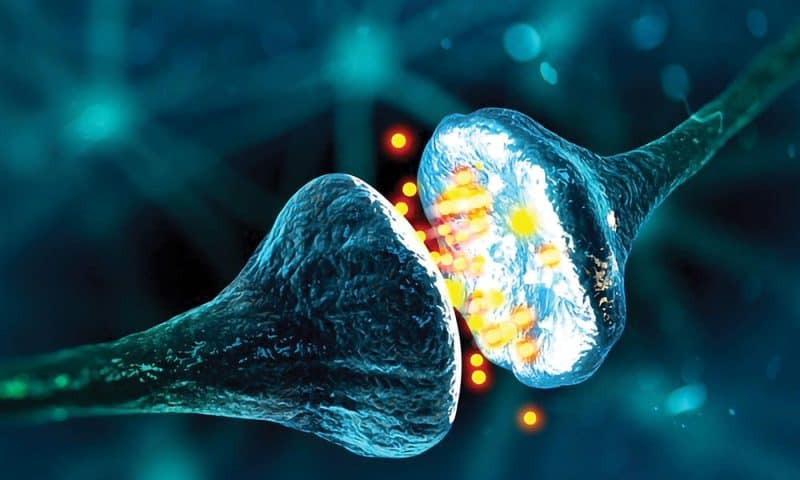
It is into the synapse that a presynaptic neuron releases neurotransmitters, peptides, and proteins that then bind to, activate and regulate receptors on postsynaptic neurons. This information transfer forms the basis of neuronal plasticity, a process that can enhance or diminish the strength of connections between nerve cells involved in learning, memory and pain.

For their newly reported work, Price and colleagues focused on the role that phosphorylating kinases secreted by neurons might play in regulating synaptic signaling. “Extracellular phosphorylation occurs via ectokinases—kinases secreted outside of cells,” explained Price. “It has been known to occur for almost 150 years, but almost nothing has been learned about it in the nervous system.”

The authors further noted, “One example of the importance of extracellular phosphorylation is the interaction between Eph receptor tyrosine kinase B2 (EphB2) and N-methyl-d-aspartate receptor (NMDAR) that occurs at excitatory synapses throughout the brain and spinal cord,” the authors commented. “The EphB-NMDAR interaction is induced by the phosphorylation of a highly conserved extracellular tyrosine residue Y504 in the fibronectin type III (FNIII) domain of EphB2.”

The ectokinase vertebrate lonesome kinase (VLK) was recently shown to have a role in platelet function and bone development. Researchers also knew that phosphorylation via ectokinases was linked to pain but did now know which specific kinase was responsible. They noted that phosphorylation of EphB2 at Y504 promotes NMDAR-dependent pain in mice and is involved in acute postsurgical pain, suggesting an important role for this extracellular phosphorylation within the spinal cord after injury.
For their newly reported research, the scientists specifically “… tested whether a secreted kinase could control the interaction between the receptor tyrosine kinase EphB2 and the N-methyl-d-aspartate receptor (NMDAR), a key regulator of glutamate signaling, and pain.” The studies were headed by teams led by Price and Matthew Dalva, PhD, director of the Tulane Brain Institute and professor of cell and molecular biology at Tulane University.

The results suggest that VLK is also needed for a key interaction between neurons that mediates injury-induced pain. The team discovered that, as the result of an injury, presynaptic neurons secrete VLK, which then phosphorylates the extracellular side of EphB2 extruding from the membranes of postsynaptic nerve cells. This unique process attracts NMDA receptor proteins, which then cluster in the membrane with the EphB2 receptors. NMDA receptors play a key role in learning and memory formation by regulating the electrical potential of neurons to strengthen synaptic connections.

“Increased concentrations of NMDA receptors at the synapse allows for high levels of neuronal activation, leading to greater postsynaptic potentials—a fundamental mechanism of synaptic plasticity,” said Hajira Elahi, PhD, co-first author of the study who completed much of the work as part of her dissertation.

The researchers found that mice genetically engineered to lack VLK in sensory neurons involved in pain did not develop acute hypersensitivity to pain after surgery. “Mice lacking VLK in sensory neurons failed to develop mechanical hypersensitivity following surgical injury but retained normal motor coordination and responses to heat and chemical stimuli,” they pointed out. Conversely, administering VLK to normal mice induced robust pain hypersensitivity that was mediated by NMDA receptor activation. “Intrathecal injection of rVLK induced EphB2–NMDAR interaction and pain-like behaviors, and this effect required NMDAR activity.”

Elahi further reported, “Complementing the mouse studies, we found that human sensory neurons also express and secrete VLK, and that VLK induces the EphB2 and NMDA receptor interaction in human tissue too. This really highlights the translational impact of our work—the ectokinase role of VLK is likely important in human synaptic signaling as well.”

Price said, “We started this project 10 years ago based on our long-standing collaboration with the Dalva lab, initially synthesizing kinases here at UT Dallas. It took us years to get around to testing VLK. When we did, it became very clear that VLK is the kinase that phosphorylates EphB1 and EphB2 receptors, and that VLK activity is sufficient to cause NMDA receptor clustering.”

Co-corresponding author Dalva added, “The finding that neurons release a protein kinase to modify synaptic function is broadly important and suggests many new and unexpected targets. Our work is a great example of collaborative science. The project and our findings would not have been possible without the shared expertise of the different teams participating.”

Although NMDA receptors have long been a potential pain-relief drug target, direct approaches to modulate them are fraught with side effects. “NMDA receptors are involved in almost every aspect of how the nervous system works,” Price said. “Our findings suggest a new way to manipulate NMDA receptors through VLK targeting potentially without huge side effects. In cortical neurons from the brain, VLK seems to be released in an activity-dependent fashion. Because of that, we can envision a model with many implications within the nervous system.”

A potential therapeutic approach to pain relief might include local injections to block VLK in the spine, he said, although more research is needed to determine how widespread the synaptic VLK mechanism is in the nervous system. “We’re most excited about having discovered that kinases act within the synapse, not just inside neurons. It’s a huge update to our understanding of the basic mechanisms that regulate receptors involved in synaptic plasticity,” Price added. “And I think we’re just scratching the surface. Showing that kinase activity within the synaptic cleft is important for how synapses work will have a big impact on how we think about synaptic plasticity.”

In their paper the authors concluded, “Given the essential role of NMDARs in synaptic plasticity and the embryonic lethality of neuronal VLK knockout, this pathway likely extends beyond pain and may offer new therapeutic opportunities for modulating receptor function.”

Bird Flu’s Human Risk Spurs Phage Therapy Research

Highly pathogenic avian influenza A (H5N1, commonly known as HPAI or bird flu) is a formidable worldwide public health concern. With approximately a 100% mortality rate, the World Organization for Animal Health estimates that more than 633 million birds (poultry and wild birds) have been lost globally over the past 20 years. The U.S. Department of Agriculture’s (USDA) Animal and Plant Health Inspection Service (APHIS) estimates that from 2022 (origin date of present outbreak) to April 2025, more than 168 million birds have died, primarily via culling (“depopulation on detection”). Cases are occurring in all 50 U.S. states.

Further, spillovers into other species, such as dairy cows, domestic animals, and even marine mammals, are increasing. For example, by September 15, 2025, bird flu had affected over 1,790 dairy herds across 18 states, according to the Center for Infectious Disease Research and Policy.

Although rare, human spillovers are also occurring primarily from direct exposure to infected animals. A recent report by the U.S. Centers for Disease Control and Prevention (CDC) determined that between March 2024 and May 2025, 70 cases of humans infected with HPAI were documented in the U.S., with one death.

While bird flu primarily devastates avian populations, its occasional spillover into humans raises concern, not only because of the viral infection itself, but also due to the secondary bacterial infections that often complicate severe influenza cases. This intersection of viral and bacterial disease has renewed attention on bacteriophage therapy—not only as a precision tool to combat opportunistic bacterial pathogens, but also as an innovative platform to develop vaccines against HPAI itself.

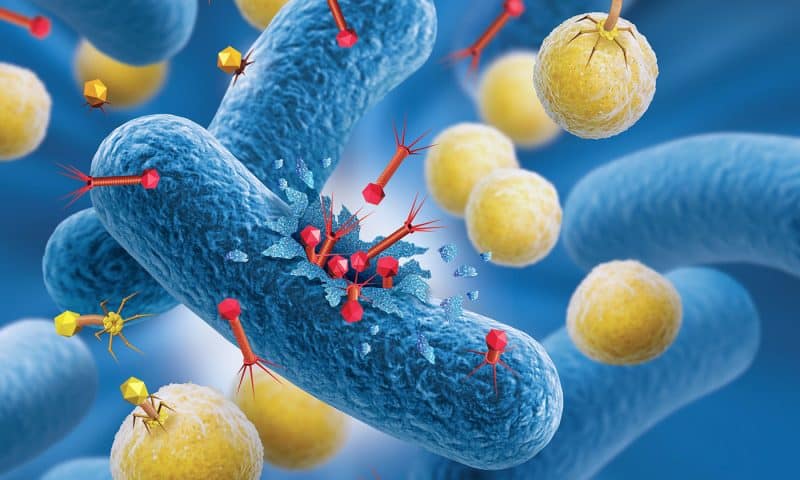
Bacteriophages, or phages for short, are viruses that target and destroy bacteria with remarkable specificity. They consist of genetic material encased in a protein shell that can attach to bacterial cells. Some phages replicate by lysing their hosts, while others integrate into bacterial genomes or persist without lysis, thereby eliciting immune responses from the bacterial host.

In this article, we feature insights from the CDC on the current state of the bird flu epidemic alongside perspectives from companies advancing phage therapeutics as versatile tools for combating resistant bacterial strains and for developing effective, scalable vaccines against viral diseases.

CDC perspective

Gabriel Alvarado, public affairs specialist at the CDC, warns, “Because most people don’t have pre-existing immunity to avian influenza viruses, these viruses have the potential to cause a flu pandemic in people if they were to gain the ability to more easily infect and spread efficiently between people.”

Alvarado says that a recent CDC scientific report made an assessment of the potential pandemic risk of two viruses from human cases and concluded that the risk for this group of viruses is considered moderate. “That assessment validates the value of a continued proactive, coordinated U.S. government response, including continued surveillance and reporting and investigation of every human infection from avian influenza A viruses.”

Phage as vaccine vectors

Amid escalating concerns over avian influenza, the development of vaccine platforms that can be rapidly adapted and scaled has become a priority.

In addition to targeting antimicrobial resistance, Cytophage Technologies also is developing phage-based vaccines against H5N1 using a filamentous phage vector that displays viral epitopes.

“Unlike typical lytic phages, which destroy their bacterial hosts and produce only a short burst of particles, these filamentous phages are extruded continuously,” explains Steven Theriault, PhD, CEO. “The bacteria essentially become miniature phage factories, producing a steady stream of vaccine particles that stimulate the immune system. In this system, we have longevity on our side.”

Theriault believes the key to leveraging phage-based vaccines lies in engineering phage DNA to express antigenic epitopes on the phage surface, with the critical challenge being the selection of stable epitopes. “Viral epitopes can change. To overcome this, we study how the viral shifts occur and carefully select epitopes less likely to be altered by natural evolution.”

According to Theriault, phages as vaccine vectors may offer important advantages. They are self-adjuvanting, strengthening the immune response and reducing or even eliminating the need for booster shots. Manufacturing is also highly efficient—Cytophage estimates it can produce about 150 million doses in seven days. Unlike many existing vaccines, phage-based products can be stored at room temperature, simplifying global distribution. Safety is another key advantage: phages are non-toxic, do not infect human or animal cells, and cannot revert to pathogenic forms.

Theriault says that, unlike other vaccines, phages do not integrate into the host genome, which mitigates risks linked to genomic integration. He also notes that another strength is the speed at which phages can be adapted. “In contrast to the several months required to retool mRNA vaccines, phages can be modified in just a few days. This rapid turnaround could prove decisive in responding to evolving outbreaks like H5N1.”

Dual-action phages

Severe viral infections, such as bird flu, often lead to secondary bacterial infections, particularly in hospitalized or immunocompromised patients. By targeting the specific bacteria responsible, phage therapy could play a crucial role in treating infections, such as bacterial pneumonia. This approach could allow for more tailored and potentially more effective treatments compared to traditional antibiotics, which are often broad-spectrum and face increasing resistance issues.

“Phage-based therapies represent a paradigm shift because, unlike static antibiotics, phages are living biologics that can be thought of as ‘trainable’ antibiotics as they have co-evolved alongside bacteria for billions of years,” notes Amanda Burkardt, CEO, PHIOGEN.

Burkardt says PHIOGEN is developing novel “dual-action” phages that not only fight bacterial infections but also reduce or eliminate recurrences. She reports, “While most phage companies intentionally avoid immune-stimulating phages to reduce the risk of neutralizing antibodies if retreatment is needed, we take the opposite approach; selecting phages that strongly activate the immune system against the infecting pathogen, so patients are, in effect, immunized and protected against future infections without repeated dosing.”

The company’s proprietary technology platform combines directed evolution, high-throughput screening, and immune-relevant models to identify and train phages with enhanced antibacterial and immunogenic properties. Burkardt elaborates, “This is built directly into our technology platform to select for rare phages that both stimulate immunity and remain potent bacterial killers. By systematically harnessing the natural adaptability, we are uncovering entirely new functionalities of phages that antibiotics cannot provide.”

Both of PHIOGEN’s lead candidates emerged directly from this platform. PHI-UI-01, targets recurrent urinary tract infections caused by resistant Escherichia coli, while a parallel program’s candidate, PHI-BI-01, takes aim at extraintestinal pathogenic E. coli (ExPEC). Burkardt discloses, “Our ExPEC bacteremia program is supported by a recent CARB-X (Combating Antibiotic-Resistant Bacteria Biopharmaceutical Accelerator) award and is focused on addressing life-threatening bloodstream infections and delineating the mechanism behind this novel therapeutic and preventative effect. Both programs are based on the same principle of combining immediate bacterial clearance with long-term protection, ensuring a pipeline that addresses both high-prevalence and high-mortality conditions.”

This technology could also help address the pandemic potential of diseases such as bird flu spreading to humans. Burkardt comments, “Our platform is highly relevant to the secondary drug-resistant bacterial infections, like sepsis, that often complicate severe viral illnesses and drive poor outcomes in vulnerable patients. Our dual-action therapeutics offer a two-fold benefit in this setting: (1) immediate treatment of life-threatening bacterial co-infections and (2) reduction in the risk of recurrence or reinfection during prolonged illness or recovery.”

Burkardt concludes, “Our ultimate goal is to build a pipeline of safe, scalable products that not only address today’s resistant and chronic infections but also anticipate tomorrow’s emerging threats.”

Phage cocktails

Armata Pharmaceuticals is developing high-purity, pathogen-specific bacteriophage therapeutics to treat antibiotic-resistant and difficult-to-treat bacterial infections, initially focusing on Staphylococcus aureus (systemic infections) and Pseudomonas aeruginosa (respiratory infections). “Phages are the most ubiquitous organisms on earth,” proffers Sebastien Lemire, PhD, director of Discovery and Engineering. He continues, “Phages are highly species-specific, with a mechanism of action distinct from broad-spectrum antibiotics, that enables phages to bind to and kill specific targeted bacteria while uniquely preserving the normal, healthy human microbiome.”

Armata is developing fixed multi-phage cocktails targeting the desired pathogens. The company utilizes synthetic biology to engineer both phages and manufacturing hosts for improved pharmacological properties. They also employ next-generation sequencing to characterize large proprietary phage libraries.

Lemire elaborates, “Advantages of producing multi-phage cocktails include improved activity against a broad range of clinical isolates and increased genotypic and phenotypic diversity to minimize resistance development.”

Armata has completed three Phase II clinical trials utilizing two distinct phage cocktails, AP-PA02 and AP-SA02, targeting P. aeruginosa and S. aureus, respectively. Deborah Birx, MD, CEO, says that S. aureus plays an especially important role in many secondary post-viral infections. “What we have been able to demonstrate using AP-SA02 in our recent Phase II

diSArm clinical trial is that our phages injected intravenously can home in to the site of infection, penetrate biofilms, infect, and lyse S. aureus. Many deaths post flu, and most likely also potentially from avian flu, are due to bacterial pneumonia and could be treated with phages, as we have shown in complicated bacteremia patients.”

Big data and AI meet wet lab

“Phage therapeutics come with unique challenges,” advises Jonathan Solomon, CEO, BiomX. He continues, “Selecting the right phages requires broad libraries and deep screening, since no single phage works against all clinical bacterial strains. Engineering the phage adds complexity but also opportunity. We need to ensure modifications improve potency, host range, and resistance-avoidance.”

BiomX is addressing those challenges with its BOLT (BacteriOphage Lead to Treatment) platform and in-house expertise. Solomon elaborates, “Our BOLT platform is designed to systematically identify and optimize phage therapies against specific bacterial targets. It works by starting with one of the world’s largest proprietary collections of natural phages, which we screen against thousands of clinical bacterial isolates to identify the most active candidates. We then apply advanced computational and AI tools to predict and evolve phages with improved potency, host range, and the ability to overcome bacterial defense systems.”

Next, the company combines complementary phages into optimized cocktails, balancing lytic activity, biofilm penetration, and resistance prevention to create their targeted therapies. “This integrated approach, where big data and AI meet wet-lab validation, is what enables us to design scalable, highly precise potential phage treatments for some of the most problematic pathogenic bacteria,” says Solomon.

BiomX is advancing its phage therapies in clinical trials against P. aeruginosa and S. aureus. Solomon projects, “What makes these programs especially potentially powerful is that each target represents a ‘pipeline in a product.’ Because these same pathogenic bacteria drive disease across multiple conditions, our validated phage cocktails have the potential to expand into many patient populations.”

And as for bird flu, Solomon says, “Bacteriophages have been at war with bacteria for millions of years, constantly adapting to eradicate them. The bacteria that drive severe secondary infections in bird flu are no exception—there are already phages and phage cocktails with proven activity against these pathogens. In a pandemic-like scenario, where secondary bacterial infections can be deadly, this ability to quickly bring a targeted, validated therapy to market could make phage therapy a uniquely powerful solution.”