Mushrooms show promise as memory chips for future computers

Fungal networks may be a promising alternative to tiny metal devices used in processing and storing digital memories and other computer data, according to a new study.

Mushrooms have long been recognized for their extreme resilience and unique properties. Their innate abilities make them perfect specimens for bioelectronics, an emerging field that, for next-gen computing, could help develop exciting new materials.

As one example, researchers from The Ohio State University recently discovered that common edible fungi, such as shiitake mushrooms, can be grown and trained to act as organic memristors, a type of data processor that can remember past electrical states.

Their findings showed that these shiitake-based devices not only demonstrated similar reproducible memory effects to semiconductor-based chips but could also be used to create other types of low-cost, environmentally friendly, brain-inspired computing components.

“Being able to develop microchips that mimic actual neural activity means you don’t need a lot of power for standby or when the machine isn’t being used,” said John LaRocco, lead author of the study and a research scientist in psychiatry at Ohio State’s College of Medicine. “That’s something that can be a huge potential computational and economic advantage.”

Fungal electronics aren’t a new concept, but they have become ideal candidates for developing sustainable computing systems, said LaRocco. This is because they minimize electrical waste by being biodegradable and cheaper to fabricate than conventional memristors and semiconductors, which often require costly rare-earth minerals and high amounts of energy from data centers.

“Mycelium as a computing substrate has been explored before in less intuitive setups, but our work tries to push one of these memristive systems to its limits,” he said.

The study was recently published in the journal PLOS One.

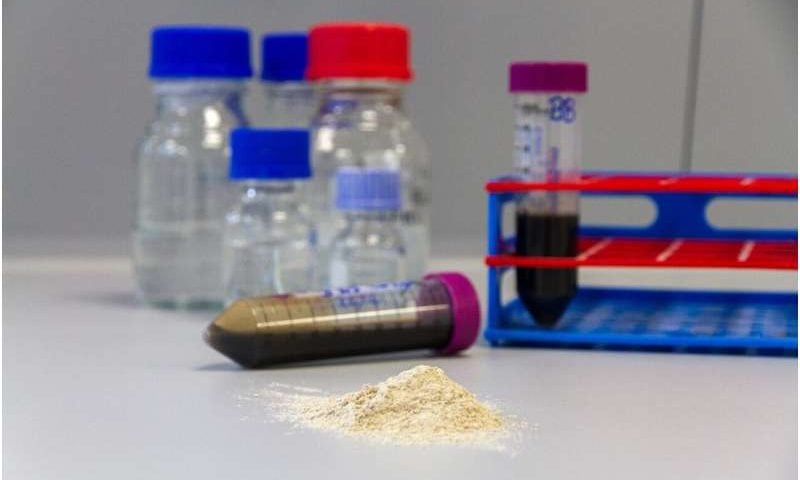
To explore the new memristors’ capabilities, researchers cultured samples of shiitake and button mushrooms. Once mature, they were dehydrated to ensure long-term viability, connected to special electronic circuits, and then electrocuted at various voltages and frequencies.

“We would connect electrical wires and probes at different points on the mushrooms because distinct parts of it have different electrical properties,” said LaRocco. “Depending on the voltage and connectivity, we were seeing different performances.”

After two months, the team discovered that when used as RAM – the computer memory that stores data – their mushroom memristor was able to switch between electrical states at up to 5,850 signals per second, with about 90% accuracy. However, performance dropped as the frequency of the electrical voltages increased, but much like an actual brain, it could be fixed by connecting more mushrooms to the circuit.

Overall, their research details how surprisingly easy it is to program and preserve mushrooms to behave in unexpected and useful ways, said Qudsia Tahmina, co-author of the study and an associate professor in electrical and computer engineering at Ohio State. Moreover, it’s an example of how technology can advance when it relies on the natural world.

“Society has become increasingly aware of the need to protect our environment and ensure that we preserve it for future generations,” said Tahmina.”So that could be one of the driving factors behind new bio-friendly ideas like these.”

Building on the flexibility mushrooms offer also suggests there are possibilities for scaling up fungal computing, said Tahmina. For instance, larger mushroom systems may be useful in edge computing and aerospace exploration; smaller ones in enhancing the performance of autonomous systems and wearable devices.

Organic memristors are still in early development, but future work could optimize the production process by improving cultivation techniques and miniaturizing the devices, as viable fungal memristors would need to be far smaller than what researchers achieved in this work.

“Everything you’d need to start exploring fungi and computing could be as small as a compost heap and some homemade electronics, or as big as a culturing factory with pre-made templates,” said LaRocco. “All of them are viable with the resources we have in front of us now.”

New druggable protein discovered in Leishmania parasites

Leishmaniasis belongs to the class of neglected tropical diseases (NTDs) that particularly affect people in the poorest tropical regions of the world. NTDs are less studied and therapeutically addressed than other diseases.

Leishmaniasis is caused by parasites of the genus Leishmania, which are transmitted to humans through the bite of infected sand flies. However, leishmaniasis is now also spreading increasingly in temperate zones of Europe and North America, owing to progressive climate change, ongoing armed conflicts with forced migration, and rising international travel.

The World Health Organization estimates that up to 1 million people worldwide contract the cutaneous form of leishmaniasis, causing skin lesions, per year. Additionally, 50,000 to 90,000 new cases of the severe visceral disease form emerge annually.

Visceral leishmaniasis, also known as kala-azar or black fever, primarily affects internal organs such as the liver and spleen. If untreated, visceral leishmaniasis is life-threatening, leading to death in over 95% of cases.

New therapies required

Currently, there is no way to prevent leishmaniasis, as no vaccines or preventive drugs exist. To treat patients, only a few medications are available, including miltefosine.

However, most of these substances do not specifically target Leishmania, cause severe side effects, and increasingly lose efficacy due to the parasite resistance. Furthermore, the drugs are often too expensive or unavailable in the most affected regions, or they require injections by trained medical personnel.

The development of new, tailored therapies against leishmaniasis is therefore an important global challenge. A crucial step in this process is to identify parasite-specific molecular targets.

Crucial for infection

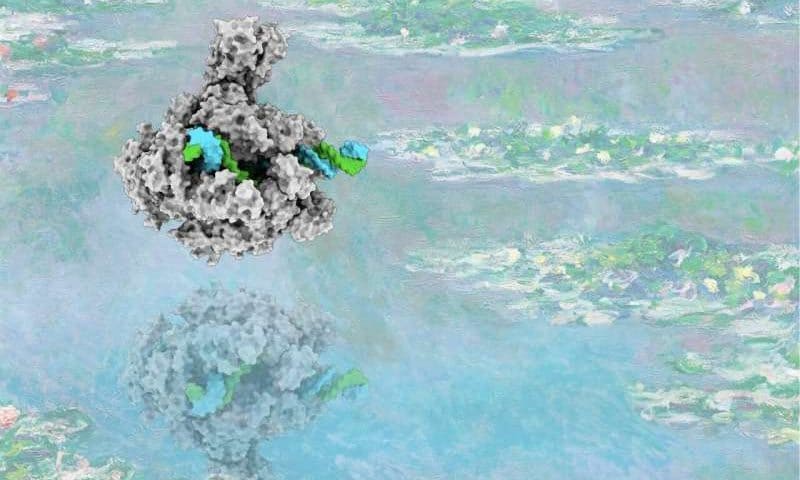
In a study appearing in Molecular Cell, a research team led by Sonja Lorenz at the Max Planck Institute (MPI) for Multidisciplinary Sciences in Göttingen (Germany) characterize a previously unexplored, parasite-specific protein, TKUL, from the pathogen Leishmania mexicana and discovered that it plays key roles during infections.

The associated parasitological studies were carried out by the research groups of Christian Janzen at the University of Würzburg and Ulrike Schleicher at the University Hospital of Erlangen. The lack of TKUL in the human and animal host organisms of Leishmania, along with its unique structure, offer new perspectives in targeted therapies against leishmaniasis.

One protein, two enzyme activities

TKUL combines two enzyme components that typically only occur in separate proteins: One part of the protein is a kinase domain, which usually controls cellular signaling pathways by transferring phosphate groups. The second component is a ubiquitin ligase domain that tags proteins with the small protein modifier ubiquitin.

This modification often serves to break down excess or defective proteins and reuse their building blocks—a process that is essential for keeping cells healthy.

New tools against leishmaniasis

Lorenz’s research team has discovered that the two enzymatic activities of TKUL are coupled to each other.

“The kinase acts as a molecular ‘switch’ that activates the ubiquitin ligase. However, this does not occur—as expected—through the transfer of a phosphate group to the ubiquitin ligase domain, but via effective structural rearrangements,” explains Thornton Fokkens, a postdoctoral scientist in the research group at the MPI who generated the mechanistic findings as part of his Ph.D. thesis.

“Due to this unique activation mechanism, we can block the ubiquitin ligase activity of TKUL with inhibitors that bind to the kinase domain,” he adds.

Lorenz sees this as a major advantage. “Finding inhibitors for ubiquitin ligases is very difficult. Here, we can use a kinase inhibitor to switch off the ubiquitin ligase function of TKUL in a convenient, indirect way.”

The next goal of her research group is to further develop these inhibitors to specifically block TKUL activity in infection models.

“The substances will be valuable tools for elucidating the precise role of TKUL in Leishmania infections, possibly opening new therapeutic opportunities,” the group leader says.

Glowing amino acid sensors track cellular changes as they happen

Researchers at Rice University have engineered living cells to use a 21st amino acid that illuminates protein changes in real time, providing a new method for observing changes within cells. The technique is effective in bacteria, human cells and live tumor models, making it possible to study complex diseases like cancer more ethically.

The findings appear in Nature Communications.

This breakthrough addresses a long-standing challenge in biology: tracking subtle protein changes, known as post-translational modifications (PTMs), within living systems. These modifications act like on/off switches for various processes, including growth, aging and disease. Rather than breaking open cells or using disruptive techniques, the research team engineered cells to produce a glowing version of lysine. When these switches are activated, the glow provides real-time visibility, offering scientists a new perspective on the inner workings of life.

“This system lets us see the invisible choreography of proteins inside living cells,” said Han Xiao, the study’s corresponding author, professor of chemistry, bioengineering and biosciences and a Cancer Prevention and Research Institute of Texas Scholar. “By equipping cells with the tools to produce and sense a new amino acid, we unlock a direct window into how PTMs drive biological processes in living animals.”

Chromophoric proof of concept

The initiative began with the hypothesis that giving cells the ability to autonomously produce and use a 21st amino acid would outperform traditional methods that depend on feeding cells large quantities of synthetic labels.

The research team identified and harnessed enzymes to produce acetyllysine within the cells. The team then genetically engineered bacteria and human cells to incorporate the acetyllysine into proteins at specific sites. Reporter proteins such as a fluorescent protein or an enzyme emit light when PTMs are added or removed, validating the system’s effectiveness for real-time tracking.

“This innovative method goes beyond previous approaches by eliminating the need for external chemicals and allowing us to watch protein changes happen naturally inside living cells,” Xiao said.

PTMs and cancer research

As a demonstration of its capability, the researchers used the sensors to study the deacetylase SIRT1, a posttranslational regulator that plays a role in modulating inflammation and has long been debated in cancer biology.

Inhibiting SIRT1 blocked its enzymatic activity, but contrary to some expectations, did not impede tumor growth in certain cell lines.

“Seeing a glow in response to acetylation events inside living tissue was thrilling,” Xiao said. “It makes the invisible world of protein regulation vividly observable and opens new possibilities for studying disease mechanisms and drug actions.”

Broader applications and future outlook

The engineered cells could reshape how scientists study PTMs in areas like aging and neurological disease. Because they work in living organisms, they can track disease or treatment in real time, and their light-based signals are well suited for large-scale drug screening targeting PTM-regulating enzymes.

Future enhancements may extend this approach to other types of PTMs or human-derived organoid systems, increasing the platform’s relevance for personalized medicine and providing deeper insights into cellular regulation.

“With this living sensor technology, our research offers an innovative tool that illuminates the dynamic world of PTMs, promising to reshape our understanding and treatment of diseases rooted in protein regulation by transforming invisible molecular signals into visible biological narratives,” said Yu Hu, the study’s first author and postdoctoral researcher at Rice.

Co-authors of this study include Rice’s Yixian Wang, Linqi Cheng, Chenhang Wang, Yijie Liu, Yufei Wang, Yuda Chen, Shudan Yang, Yiming Guo, Shiyu Jiang and Kaiqiang Yang.

A framework for the discovery of cell state-correcting medicines

Cellarity, a biotechnology company developing cell state-correcting therapies through integrated multi-omics and AI modeling, reports the publication of a manuscript in the journal Science, which articulates a framework for the integration of advanced transcriptomic datasets and AI models to improve drug discovery.

Cellarity designs novel therapeutics for complex diseases by focusing on the interplay of pathway connections and interactions that define and modulate cellular states. The company has built a robust discovery platform that leverages high-dimensional transcriptomics to map these interactions at single-cell resolution.

Generalizable AI models developed for the platform then link chemistry to disease biology to efficiently produce drugs that restore cellular function in diseased tissues. The first candidate emerging from the platform, CLY-124, is under evaluation in a Phase I clinical trial for the treatment of sickle cell disease.

“We believe a comprehensive view of the cell state will help us create better therapies that can correct the foundational mechanisms of disease. Our state-of-the-art platform enables us to effectively visualize this dynamic and identify novel interventions that are best suited to correct disease states,” said Parul Doshi, Cellarity’s Chief Data Officer.

“This publication in the journal Science describes the evaluations that have informed our platform, underscoring both the rigor and ingenuity to successfully integrate advanced transcriptomics and computational tools to enable efficient discovery of novel therapeutic candidates.”

The publication presents a reproducible and generalizable blueprint for integrating machine learning methods into drug programs for maximum discovery potential. The blueprint addresses numerous limitations of conventional phenotypic drug screening by employing an active, lab-in-the-loop deep learning framework powered by high-throughput transcriptomics.

By successively refining predictions based on the outcome of experiments, the framework demonstrated improved recovery of phenotypically active compounds by 13- to 17-fold over industry standard approaches.

“The drug discovery process has struggled to improve its success rates in recent decades. This is in part due to a conventional focus on single targets, whereas diseases are generally driven by more complex interplay than just a single gene mutation,” added Jim Collins, Ph.D., Termeer Professor of Medical Engineering & Science, MIT, co-founder of Cellarity and co-author of the publication.

“By analyzing not only the phenotypic connections fueling disease pathophysiology as well as the polypharmacology considerations of early candidates, this deep learning platform offers strong potential to accelerate the pace of discovery and introduce effective new oral therapeutics for complex diseases.”

Open source dataset release
In conjunction with the publication in Science, Cellarity is releasing single-cell datasets spanning multiple data modalities to power community engagement, model benchmarking, and further insight into the nuances of cell states under chemical perturbation.

A perturbational transcriptomic dataset, used to benchmark Cellarity’s platform in the publication, includes more than 1,700 samples comprising 1.26 million single cells and can be used for cross-cell-type drug response mapping or further benchmarking of perturbation prediction methods.

Cellarity is also releasing a single-cell multi-omic hematopoiesis atlas combining transcriptomics, surface receptors, and chromatin accessibility to create a multi-layered portrait of this complex and essential biological process, used in the publication to create fine-grained signatures of megakaryopoiesis and erythropoiesis.

A third dataset captures a timeline of megakaryocyte (Mk) differentiation under perturbation, which can be analyzed to map the trajectory of Mk maturation, interrogate time-resolved drug effects, or support model benchmarking and training.

Public analyses of these important data may yield novel insights into cellular dynamics, and power new methods to accelerate industry-wide drug discovery.

Feeding off spent battery waste, a novel bacterium signals a new method for self-sufficient battery recycling

A unique bacterium that thrives in highly acidic environments feeds on spent battery “waste,” making it a promising new method for self-sufficient battery recycling, according to new research from Boston College chemists.

The bacterium, Acidithiobacillus ferrooxidans (Atf), has a natural metabolic cycle that produces protons capable of leaching electrode materials from spent batteries, report Professor of Chemistry Dunwei Wang, Associate Professor of Biology Babak Momeni, and colleagues in a paper in the journal ACS Sustainable Resource Management.

“This is a critical step forward by examining the possibility of growing the bacteria using materials already present in spent batteries as a food source,” said Wang. “More specifically, we used iron, which is commonly employed as a casing material in batteries. Our results showed that the bacteria can indeed thrive with this new food source, and the resulting solution is highly active for recycling spent batteries.”

In an increasingly electrified society, the widespread use of batteries to power tools, toys and gadgets points to a two-fold crisis: the ever-expanding need to produce more batteries and the rapid accumulation of spent batteries.

Efforts to solve these two problems have encountered high energy use or require the transport and use of toxic chemicals.

Wang, working in collaboration with Momeni, decided to explore whether Atf could use the iron content in spent batteries as a food source. In addition, could Atf-inspired solutions successfully leach cathode materials from spent batteries?

Momeni, whose research interests include microbial ecology and mathematical modeling of biological systems, undertook the cultivation of the bacteria. Wang, a physical chemist whose work focuses on clean energy, used the culture for battery cathode leaching. Additional co-authors were research associate Wei Li, graduate student Brooke Elander, and undergraduates Mengyun Jiang and Mikayla Fahrenbruch.

Building on other research, the team wanted to specifically see if they could replace sulfate, which is another critical component in the food source.

“Our results suggest that the activity of the bacteria does not depend on the presence of sulfate,” said Wang. “This is an important finding because it indicates that for future implementations, one could do away with the need for the transportation of large quantities of one toxic material.”

In addition, Wang said the team tested the possibility of using stainless steel as a food source, which is far more common in real world batteries. Their experiments showed it worked even better than pure iron.

“The finding that stainless steel worked better than pure iron was indeed a surprise,” said Wang. “This is because stainless steel is a complex mixture. We didn’t expect it to work so well. But this is a notable unexpected development as stainless steel is more commonly encountered in real batteries.”

The team is now working on evolving the bacteria to improve the recycling efficiencies. They are also working on building prototype batteries with the recycled materials to prove that they offer the same performance advantages as traditional batteries constructed from new materials.

Sharper gene scissors for the biotechnology toolbox

The goal of gene therapy is to permanently cure hereditary diseases. One of the most promising technologies for this is the CRISPR/Cas system, colloquially known as gene scissors. These can cut and modify DNA in a targeted manner to repair or remove defective genes or insert new ones.

There are different variants of gene scissors, each of which targets specific locations in the genome. However, not all of them are equally efficient. For example, they do not all cut reliably at the exact location in the DNA where they are supposed to.

A research team led by Professor Tobias Cantz and Dr. Reto Eggenschwiler from the Department of Gastroenterology, Hepatology, Infectiology and Endocrinology at Hannover Medical School (MHH) has now found a way to sharpen three variants of gene scissors and increase their effectiveness.

This adds further functional tools to the biotechnological toolbox. The results of the study are published in Nucleic Acids Research.

Origin: Bacterial virus defense

Originally, the CRISPR system was a biological defense mechanism used by bacteria to protect themselves against infection by phages. These are viruses that exclusively attack bacteria. The foreign DNA is destroyed by the gene scissors and the phage can no longer reproduce. Different bacteria have different types and subtypes of these CRISPR systems.

The CRISPR/Cas9 system from the bacterium Streptococcus pyogenes, which can cause scarlet fever in humans, among other things, is predominantly used. The system uses a so-called pilot RNA, which, like a biological navigation device, guides the Cas9 enzyme to a specific location in the DNA where it causes a double-strand break. Targeted genetic modifications can then be made at this location. The cell’s repair mechanisms later rejoin the double strand.

In order for Cas9 to become active, it requires a specific DNA recognition motif, a so-called PAM sequence (protospacer-adjacent motif). This is a short nucleotide section on the DNA. Nucleotides are the basic chemical building blocks of our DNA and consist of a sugar, a phosphate group and a nucleic base. There are four different DNA nucleic bases: adenine, guanine, cytosine and thymine. The nucleotides store and transmit our genetic information.

Cas9 variants cut at other DNA sites

The PAM nucleotide section on the DNA is required by the Cas9 enzyme to cut the directly adjacent site in the genome. This sequence therefore determines the exact areas that can be edited by the gene scissors. The common PAM sequence of the CRISPR/Cas9 system is NGGN.

Here, “N” stands for a variable nucleotide—i.e. one with any of the four bases—which must be followed by two nucleotides with guanine bases. This is followed by another variable nucleotide. However, there are also Cas9 variants that target other PAM sequences or can even largely dispense with PAM recognition.

The gene scissors equipped with these variants can therefore cut the genetic material at different sites than the original version. The disadvantage is that they cut less efficiently than the standard CRISPR/Cas9 system. Dr. Eggenschwiler’s research team has now investigated the interaction with the DNA of three of these Cas9 variants in detail and then genetically modified them in a targeted manner.

“We first improved a Cas9 enzyme called iSpyMac, which can be used to specifically target NAAN-PAMs,” says Dr. Eggenschwiler.

“This is important because AA is the most common dinucleotide, i.e. the most common double base sequence in the human genome, and thus opens up many new possibilities for gene modification.”

Seaweed makes for eco-friendly tissue scaffolds and reduces animal testing

Seaweed is found around the world. In fact, the name “seaweed” comprises a diverse range of species, from microscopic phytoplankton to the giant forests found in various bodies of water.

Seaweed species aren’t just crucial parts of marine ecosystems, though; they also provide numerous health benefits for humans and have been dubbed a superfood by marketing companies, a term used to encompass healthy, nutrient-rich foods.

As documented in Biointerphases, researchers from Oregon State University have found yet another use for seaweed as a cheap, vegan, and eco-friendly tissue scaffold.

“Rather than using animal-derived or synthetic [chemically derived scaffolds], we want to utilize naturally found materials to produce the tissues, especially for use in preclinical testing,” said author Gobinath Chithiravelu.

Tissue scaffolds are used in tissue engineering to provide a stable, structural environment for cells to grow. It’s not just the biocompatibility of seaweed that makes it a promising candidate; seaweed scaffolds provide a great alternative to animal testing.

The researchers sourced their seaweed from a commercial brand they originally discovered at a farmers market. After cleaning and drying the marine red seaweed, known as Pacific dulse, they removed the cells from it, leaving only the extracellular matrix (ECM). The ECM of Pacific dulse is compatible with human cardiomyocytes, which are cells found in adult heart ventricles.

“So initially, we want to utilize the natural framework [of the seaweed]—we don’t want to disturb the structure,” said Chithiravelu.

Once the cells were grown on the seaweed scaffold, they were analyzed to identify which conditions were most similar to the native scaffold of the cells. The team identified the best initial treatments that promoted the tissue’s growth into fibrous networks and reduced cell interference from the seaweed. This showed that treatment with the reagent sodium dodecyl sulfate, which is commonly found in labs, is an effective treatment to prepare the seaweed scaffold.

In the end, they found that all their seaweed scaffolds had excellent biocompatibility with the cardiomyocytes, showing a promising future for this line of research. Not only will these scaffolds decrease animal testing at the preclinical phase, but they are a cost-effective and eco-friendly alternative to synthetic scaffolds.

“Why can’t we utilize seaweed? It’s abundant in the oceans, and when compared with animal-derived or synthetic material, the cost is very low,” said Chithiravelu.

Cracking the CRISPR code to find the ‘passwords’ that unlock its full potential

One of the most revolutionary tools in cutting-edge medicine is a molecular scalpel so precise that it can modify defective DNA and fix genetic diseases like sickle cell anemia, and chronic disorders like cardiovascular diseases and certain cancers.

The tool’s called CRISPR, or Clustered Regularly Interspaced Short Palindromic Repeats, an ingenious genetic engineering technique in molecular biology that enables targeted modification of the genomes of living organisms.

But there’s a hitch: CRISPR needs a password, a specific DNA signal called a PAM (protospacer adjacent motif), located next to the target gene, before it can make a cut.

No password, no edit

“It’s like the first step in a 2-factor authentication system. The second authentication, for example via a mobile phone, will be initiated only after a password matches,” explains Professor Zheng Zongli of the Department of Biomedical Sciences at City University of Hong Kong (CityUHK). “The problem is that identifying the passwords for a certain CRISPR tool is a major stumbling block in discovering and characterizing the CRISPR tool.”

However, Professor Zheng’s team has cracked the code, as reported in the article “GenomePAM directs PAM characterization and engineering of CRISPR-Cas nucleases using mammalian genome repeats” published recently in Nature Biomedical Engineering.

The codebreaking works like this. The GenomePAM method maps CRISPR’s passwords directly in human cells. Instead of relying on artificial systems that are often limited (e.g., testing 1 to 3 sequences in every 10 cells due to Poisson distribution), GenomePAM uses the natural random codebook next to repeating patterns in our own DNA (over 10,000 sequences in every single cell) to rapidly and accurately call which PAM sequences a CRISPR tool will recognize. And, while traditional methods can typically guess up to 4- to 6-letter passwords, GenomePAM can call at least 10 letters easily.

“GenomePAM allows us to understand how well a CRISPR tool works and, crucially, considering all possible PAMs, how precise it might cut in the genome. That’s essential for making gene editing therapies safer,” Zheng says.

The implications for biomedical research are really promising. By knowing the passwords of a CRISPR tool, GenomePAM helps fill up a rich toolbox. Unlike older methods that rely on bacteria or test tubes, GenomePAM works directly in human cells, delivering more accurate, clinically relevant results. The technology can slash the time taken to generate new tools for treatments and will support researchers in their quest to design smarter, more flexible CRISPR systems that work across a range of genetic targets.

So, does this research mean previously untreatable diseases are tantalizingly within reach?

Professor Zheng reins in expectations, for now.

“What we can say is that GenomePAM can greatly accelerate the development of gene editing tools, thereby advancing precision gene editing and clinical drug development,” he says.

Soil fungus and calcium team up to break down bioplastics faster

A common soil fungus (Purpureocillium lilacinum BA1S), when combined with calcium and mild alkalinity, speeds up the breakdown of biodegradable plastic (PBAT), offering a greener path for managing agricultural and packaging waste.

Biodegradable plastics such as poly(butylene adipate-co-terephthalate) (PBAT) are often promoted as eco-friendly alternatives to conventional plastics. However, in real soil or composting environments, PBAT can take months or even years to fully decompose.

To tackle this challenge, Prof. Chi-Te Liu’s lab at Institute of Biotechnology, National Taiwan University (NTU), in collaboration with Prof. Shih-Shun Lin (Institute of Biotechnology, NTU), Dr. Sheng-Lung Chang (Industrial Technology Research Institute, ITRI, Taiwan) and Prof. Ting-Jang Lu (Institute of Food Science and Technology, NTU), investigated how environmental factors can enhance the ability of soil fungi to break down this stubborn material. The study is published in the Journal of Hazardous Materials.

The team focused on the Purpureocillium lilacinum strain BA1S, a soil fungus previously isolated by Ph.D. student Wei-Sung Tseng, the first author of this study, from farmland in Taiwan. This fungus is known for producing enzymes that are capable of degrading complex polymers. Instead of modifying the fungus genetically or using expensive chemical additives, the researchers tested a simple but effective approach—adjusting the pH of the environment and adding calcium salts.

They discovered that combining mildly alkaline conditions (pH 7.5) with calcium ions greatly boosted PBAT degradation. Under these optimized conditions, the fungus decomposed more than half of the plastic film—about 55% weight loss—in just two weeks.

Using microscopy and spectroscopy, the researchers confirmed that the fungal treatment caused deep surface erosion and chemical changes to the plastic. To explore what was happening inside the cells, they performed transcriptomic and gene-network analyses.

The results showed that genes related to biosurfactant production, membrane transport, and protein degradation were highly activated, while genes responsible for basic energy metabolism were downregulated. This indicates that the fungus redirected its metabolism toward breaking down and absorbing plastic fragments.

Further biochemical tests revealed that calcium ions not only promoted enzyme secretion but also enhanced the stability of a key degrading enzyme, a cutinase known as PlCut. In laboratory assays, calcium improved PlCut’s thermostability and reduced its thermal inactivation, enabling the enzyme to work longer and more efficiently.

This study sheds new light on how environmental conditions can strengthen microbial degradation of biodegradable plastics. It also demonstrates that fine-tuning natural factors—such as pH and mineral availability—can be a simple, low-cost, and sustainable way to improve plastic biodegradation in soil and composting systems.

“By showing that a simple adjustment in pH and calcium availability can activate a fungus’s full degradation potential, our work opens new possibilities for greener waste management and circular-economy applications,” says Prof. Chi-Te Liu, corresponding author of the study.

In chromosome of key biotech bacterium, different setups bring different strengths

Depending on the setting, the ability of a crucial bacterium in biotechnology—Agrobacterium tumefaciens—to transfer its DNA to a host plant can make it either a pathogen that damages crops or a powerful method for genetically enhancing them.

New research by an Iowa State University team found the effectiveness of Agrobacterium’s virulence also varies, depending on how its chromosome is arranged.

The study published this month in Science Advances showed the bacterium is more effective at infecting plants when in its natural two-chromosome state, but it grows faster and handles stress better when its densely coiled genetic material is fused into a single chromosome.

“Our work is the first to directly test how chromosome structure affects bacterial growth, survival, and ability to cause disease, and it opens the door for similar studies in many other microbes,” said Kan Wang, Charles F. Curtiss Distinguished Professor of agronomy and Global Professor in Biotechnology.

Knowing that chromosomal architecture affects Agrobacterium’s balance between fitness and infectiousness could help genetic engineers optimize its use as a crop improvement tool or devise new ways to protect crops vulnerable to crown galls, the tumor-like growths the bacterium can cause on roots and stems, said Wang, corresponding author of the study.

A rare configuration

Agrobacterium is widespread in soil and attacks crops such as fruit and nut trees, grapevines and sugar beets. Since the 1980s, scientists have harnessed its infection-causing DNA transfer mechanism to insert customized genetic sequences into plants. Agrobacterium-driven crop transformations have produced herbicide-tolerant soybeans, insect-resistant corn and cotton, and vitamin-enriched Golden Rice.

While its usefulness in plant biotechnology was part of the reason researchers focused the study on Agrobacterium, Wang said they also were intrigued by its unusual chromosomal configuration that features both circular and linear shapes.

“This rare genomic architecture makes Agrobacterium an excellent model to investigate how chromosome shape and organization influence fundamental traits,” she said.

Some naturally occurring variants of Agrobacterium also have one larger chromosome fused into a linear shape. Using CRISPR gene-editing tools, the researchers constructed two other Agrobacterium strains with distinct chromosomal architectures. The common dual-chromosome type was edited to have two circular chromosomes instead of one circle and one linear. The variant with one fused linear chromosome was edited to instead have one circular chromosome.

Lab testing of all four types, which were genetically identical other than their chromosome configuration, showed the fused types had fitness and replication advantages but weren’t as effective at infecting host plants.

Gene expression patterns matched the observations. Transcriptome analysis tools, which can show an organism’s full set of RNA at a given moment, found greater activation of genes linked to stress tolerance and other survival traits in the fused, single-chromosome types. Genes related to virulence were more active in the dual-chromosome types.

Far-reaching impact

For scientists who use Agrobacterium to enhance crops and other plants, it’s valuable to be aware of how the bacterium’s strengths vary based on the organization of its chromosomes, Wang said.

“It helps us fine-tune strains depending on our goals. We can keep the natural chromosome split for strong gene transfer into plants or use fused versions when growth stability is more important in the lab,” she said.

The findings also could lead to new strategies for controlling crown gall disease in crops, such as pushing pathogenic strains toward less effective chromosomal setups, Wang said.

Future work examining the functional impact of chromosome design in other bacteria could even lead to improved prevention or treatment of infections in humans, she said.

“It also gives us a window into evolution, showing how bacteria adjust their DNA organization to adapt and thrive,” she said. “The impact of studying genomic architecture in the coming years could be far-reaching.”