Inactive H5N1 influenza virus in pasteurized milk poses minimal health risks

Proteins and genetic material from H5N1 influenza viruses have been found in pasteurized milk in the United States, but a study from St. Jude Children’s Research Hospital shows those inactive viral pieces represent little to no health risk.

As the H5N1 outbreak in dairy cows continues in the U.S., commercial milk remains contaminated by viral pieces. However, the pasteurization process kills the virus. The researchers tested whether the resulting noninfectious viral materials could teach the immune system that these viral components were harmless, thus increasing susceptibility to influenza infections.

They found that H5N1-contaminated milk that was pasteurized did not significantly affect the immune system in laboratory models. Unpasteurized milk remains a health concern. The findings were published today in Science Advances.

“We found that consuming pasteurized milk multiple times, even if it has inactivated H5N1 virus, poses minimal health risks,” said corresponding author Stacey Schultz-Cherry, Ph.D., St. Jude Department of Host-Microbe Interactions. “We observed no benefit or detriment to subsequent influenza infection.”

The scientists were originally concerned that regularly drinking inactivated viral components in milk may teach the immune system that these molecules were safe. This loss of immunity against materials in food is called oral tolerance, which prevents humans from developing unwanted immune reactions against what they consume. However, if people gained oral tolerance to flu’s viral proteins, it could lead to greater susceptibility to later influenza infections if the body no longer recognizes the viral components as part of an invader.

To learn if drinking contaminated pasteurized milk created oral tolerance of influenza viruses, the researchers took uncontaminated milk or milk contaminated with H5N1, which were both then pasteurized, and gave them to mice. The mice were given the milk over five days, mimicking how a person would consume it over time. Weeks later, the scientists challenged the mice with an H5N1 infection. There was no difference in how the infection proceeded between the two groups.

“We found an influenza infection after repeated exposure to H5N1 virus in pasteurized milk was normal, with no adverse events,” said first author Pamela Brigleb, Ph.D., St. Jude Department of Host-Microbe Interactions. “We saw no evidence of it worsening the disease.”

Pasteurization and pre-existing immunity prevent pathogenic infections

While pasteurized milk appeared to play no role in altering influenza immunity, unpasteurized milk represented a health threat. Mice exposed to unpasteurized H5N1-infected milk succumbed to their disease in a matter of days, which other groups have also documented.

“We did see that if infected milk wasn’t fully pasteurized, that was still very pathogenic in our model,” Brigleb said. “That highlights the importance of pasteurization, especially in potentially contaminated milk.”

Until this point, the researchers had only used mice that never had the virus. To better account for pre-existing flu immunity from previous infections and vaccinations, as occurs in the human population, the scientists infected mice with a nonlethal dose of H1N1 virus, leaving another group uninfected. They then took regular milk or milk that was H5N1-infected, then pasteurized both, and gave it to the mice for several days. Weeks later, they challenged those mice with the H5N1 virus, finding that prior H1N1 infection was 100% protective against mortality regardless of what type of milk the mice drank. All mice that did not have the pre-existing H1N1 immunity succumbed to their disease.

“Most of the population has had an infection or a vaccination at some point in their life, so we wanted to reflect that in our experiments,” Brigleb said. “We found that whether or not mice received viral particles in pasteurized milk or not, prior immunity still fully protected them from the H5N1 challenge.”

The study confirms that current food safety methods and vaccination practices are likely protecting human health from the H5N1 virus in milk, though the need for continued vigilance remains.

“It’s reassuring to find that these inactivated H5N1 viral components in pasteurized milk present minimal health risks and don’t alter flu immunity,” Schultz-Cherry said. “However, we also reaffirmed that consuming unpasteurized milk can expose people to this potentially dangerous infectious agent. We must continue to watch this virus and mitigate its risk of spilling over into the human population.”

Mediterranean diet leads to 75% symptom reduction in patients with mild to moderate psoriasis

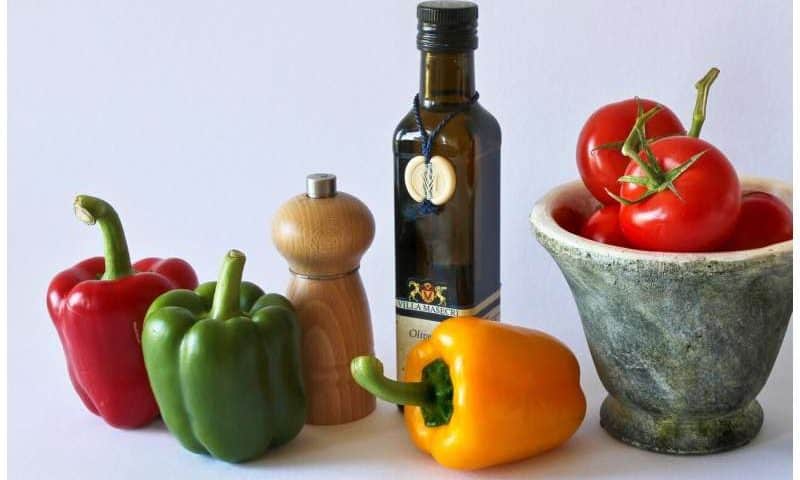
Over 60 million people worldwide are affected by psoriasis, a chronic inflammatory skin disorder that causes red, scaly patches and persistent itching. A new study has found that following a Mediterranean diet—rich in plant-based foods, extra-virgin olive oil, and a moderate amount of fish, and poultry—could provide relief to psoriasis symptoms.

In a randomized clinical trial involving 38 adults with mild to moderate psoriasis, nearly half of the participants who followed the Mediterranean diet for 16 weeks experienced at least a 75% improvement in their symptoms, whereas no such effect was observed in the control group.

Previous studies have often linked improvement in psoriasis to significant weight loss alone. The researchers of this study suggest a different mechanism at work. The beneficial effects of the Mediterranean diet appear to stem from its inherent anti-inflammatory and cardiometabolic properties. These properties may directly target the biological processes that drive psoriasis symptoms, rather than relying solely on calorie restriction.

The findings are published in JAMA Dermatology.

Psoriasis is driven by an overactive immune system. In a normal immune system, the white blood cells protect us by attacking harmful invaders, such as viruses and bacteria. In a person with psoriasis, the T-cells mistake the body’s own skin cells for foreign objects and start attacking them. This triggers the body to produce new skin cells too quickly, and the buildup of these extra cells on the surface leads to the visible patches of psoriasis.

The Mediterranean diet supports psoriasis management through multiple pathways. Its rich mix of fruits, vegetables, nuts, whole grains, olive oil, and fish contains high levels of antioxidant vitamins, including β-carotene, vitamin C, and vitamin E, along with plant compounds like polyphenols, help reduce oxidative stress and calm inflammation.

Until now, the connection between the Mediterranean diet and psoriasis had only been explored through observational studies. These studies suggested that poor adherence to the Mediterranean diet was linked to greater psoriasis severity, but they could not establish a direct relationship.

A randomized clinical trial was needed to test the diet’s true impact, and that is exactly what researchers of this study set out to do with the MEDIPSO (Impact of the Mediterranean Diet on Patients With Psoriasis) trial.

This open-label, single-center, single-blinded randomized clinical trial was conducted between February 2024 and March 2025 at a dermatology referral clinic in Madrid, Spain. It enrolled 38 adults with mild to moderate psoriasis, defined by a Psoriasis Area and Severity Index (PASI) score of 2–10, where higher scores indicate more severe disease. Participants were evenly randomized into two groups. The intervention group completed a 16-week Mediterranean diet program guided by a dietitian, and the control group received only standard low-fat diet advice without dietitian support.

The results revealed that 47.4% of participants following the Mediterranean diet achieved a PASI 75 (a 75% reduction in severity) compared to 0% in the control group and these improvements occurred without significant weight loss. Participants who stuck more closely to the Mediterranean eating pattern saw even improvements in their skin condition and experienced better quality of life, improved sleep, and reduced anxiety.

This study demonstrates that, beyond conventional therapies, a well-balanced diet can be a meaningful addition to psoriasis management, providing benefits that support both symptom control and overall health.

Storing breast milk for specific times of day could support babies’ circadian rhythm

Breast milk is the first “super food” for many babies. Full of vitamins, minerals, and other bioactive compounds, it helps build the young immune system and is widely considered the optimal source of infant nutrition. Not all mothers, however, have the opportunity to directly breastfeed multiple times during the day and night, and might use expressed milk stored for later.

Breast milk delivers a variety of cues from the mother to the infant, including signals that are thought to influence babies’ circadian rhythms. The hormones and proteins involved in circadian signaling, however, may vary in breast milk concentration over 24 hours. To learn more about these fluctuations, researchers in the US investigated expressed breast milk samples taken during different times of the day.

They published their findings in Frontiers in Nutrition.

“We noted differences in the concentrations of bioactive components in breast milk based on time of day, reinforcing that breast milk is a dynamic food. Consideration should be given to the time it is fed to the infant when expressed breast milk is used,” said first author Dr. Melissa Woortman, a recent Ph.D. graduate from the Department of Nutritional Sciences at Rutgers University.

“The timing of these cues would be particularly critical in early life, when the infant’s internal circadian clock is still maturing,” added senior author Prof Maria Gloria Dominguez-Bello, a researcher at the Department of Biochemistry and Microbiology at Rutgers University.

Powerful compounds

The researchers took 10 milliliter breast milk samples from 21 participants at 6am, 12pm, 6pm, and 12am on two different days, which were about a month apart.

A further 17 participants provided samples taken at the same times, resulting in 236 samples included in the analysis. The samples were examined for levels of melatonin, cortisol, and oxytocin—all hormones—as well as immunoglobulin A (IgA), an antibody protein part of the immune system, and lactoferrin, a milk protein.

Melatonin and cortisol are involved in the regulation of the circadian rhythm, whereas the other examined components influence intestinal development and gut microbiome dynamics.

They found that some breast milk components, especially melatonin and cortisol, varied over the course of the day. Melatonin peaked at midnight, whereas cortisol was at its highest level in the early morning.

“We all have circadian rhythms in our blood, and in lactating mothers, these are often reflected in breast milk,” explained Woortman. “Hormones like melatonin and cortisol follow these rhythms and enter milk from maternal circulation.”

The other examined components were mostly stable throughout the day. This might be because they may not be as strongly influenced by signals dictating circadian rhythms.

The team also found that as infants got older, the levels of different compounds in breast milk varied. For example, the levels of cortisol, IgA, and lactoferrin were highest when babies were less than one month old. Higher levels of these compounds likely support immune defense and gut colonization in very young babies.

“When it comes to differences in day/night variations by infant age, this could reflect the stabilizing of the maternal circadian clock that occurs with time after giving birth, as well as the maturing and stabilization of the infant’s circadian rhythm,” Woortman pointed out.

Labels for development

The researchers said their study was not able to account for all potentially relevant demographic factors, including delivery mode and maternal diet, due to sample size. Larger and more diverse cohorts will be needed in the future to ensure the generalizability of these results. In addition, future research should examine how infants respond to the variations observed here.

Still, the findings suggest that feeding expressed milk could be timed to maximize natural biological alignment. This way, circadian signals that support infant sleep, metabolism, and immune development—adaptations shaped through evolution—could be maintained.

“Labeling expressed milk as ‘morning,’ ‘afternoon,’ or ‘evening’ and feeding it correspondingly could help align expressing and feeding times and preserve the natural hormonal and microbial composition of the milk, as well as circadian signals,” Dominguez-Bello pointed out.

“In modern societies where it may not be feasible for mothers to stay with their infants throughout the day, aligning feeding times with the time of milk expression is a simple, practical step that maximizes the benefits of breast milk when feeding expressed milk,” Woortman concludes.

New insights into the epigenetic processes via which neuroinflammation causes memory loss

Neuroinflammation, a prolonged activation of the brain’s immune system prompted by infections or other factors, has been linked to the disruption of normal mental functions. Past studies, for instance, have found that neuroinflammation plays a central role in neurodegenerative diseases, medical conditions characterized by the progressive degradation of cells in the spinal cord and brain.

When inflammation is taking place, cells release proteins that act as signals between immune cells, also known as cytokines. While some studies have linked a specific cytokine called interleukin-1 (IL-1) to changes in brain function, the mechanisms through which it could contribute to a decline in mental capabilities remain poorly understood.

Researchers at the University of Toulouse INSERM and CNRS recently carried out a study involving mice aimed at better understanding these mechanisms. Their paper, published in Nature Neuroscience, particularly focused on neuroinflammation elicited by the parasite Toxoplasma gondii (T. gondii), which is responsible for a well-known illness called toxoplasmosis.

“Neuroinflammation can be triggered by infections such as SARS-CoV-2 or the parasite T. gondii,” Dr. Nicolas Blanchard, co-senior author of the paper, told Medical Xpress. “A hallmark of the latter is that it can chronically persist inside neurons of the brain, fueling chronic neuroinflammation and cognitive problems. T. gondii infection is widespread, since around one-third of the human population is expected to have been exposed to the parasite.

“The goal of this study was not only to unravel the nature of the inflammatory signals involved in Toxoplasma-induced cognitive impairments (such as deficits in spatial memory consolidation) but also to use T. gondii infection as a model to uncover the general molecular mechanisms linking neuroinflammation to neuronal dysfunction.”

The team’s recent work builds on earlier findings by the other co-senior author of the paper, Elsa Suberbielle. In her previous research, Dr. Suberbielle found evidence that spatial memory, the ability to remember the context in which we experienced something or to find our way to a specific location, relies on the delicate processes through which DNA in neurons breaks and repairs itself.

“This mechanism—called epigenetic, because it modifies the structure of DNA without changing its sequence—is essential for the optimal functioning of neurons, particularly those in the hippocampus, the brain region responsible for spatial memory,” said Dr. Suberbielle.

“In this work, we identified new links between neuroinflammatory signals (the IL-1 cytokine), the epigenetic regulation and response to DNA breaks in neurons, and the function of neuronal populations ensuring spatial memory consolidation.”

To explore the contribution of the cytokine IL-1 to the consolidation of spatial memories, Blanchard, Suberbielle and their colleagues carried out a series of experiments involving two distinct mouse models. The first of these models mimicked the chronic inflammation caused by T. gondii infection and was realized by injecting mice with the parasite.

The second model was characterized by elevated plasma levels of IL-1, which are present during various inflammatory diseases. To realize this, the team infused the cytokine IL-1 in mice via osmotic minipumps.

“We studied the importance of the IL-1 cytokine in neurons by blocking the ability of excitatory neurons (a population of neurons important for spatial memory in the hippocampus) to recognize the cytokine, through the genetic invalidation of the receptor for IL-1,” explained Dr. Blanchard.

“Consolidation of spatial memory was assessed by measuring the performance of mice in cognitive tests. More specifically, we evaluated the ability of mice to remember the position of an object, or an escape hole in a maze.”

Overall, the findings gathered by this team of researchers confirmed that infection with the T. gondii parasite disrupts the spatial memory of mice. Specifically, mice infected with the parasite struggled to remember their surroundings in detail, locate objects they had encountered before and navigate a maze.

“Our data revealed that infection with T. gondii tips the neuroinflammatory balance through an inflammatory signal: interleukin 1,” said Dr. Blanchard. “We then showed that this immune molecule alters the epigenetic regulation of neurons, providing the first molecular explanation of memory disturbances caused by this common parasite.”

In addition to shedding light on the epigenetic processes via which neuroinflammation could prompt spatial memory impairments, the researchers identified a possible strategy that could prevent these impairments. In their experiments, they showed that by blocking either the neuronal response to DNA breaks or the receptor for IL-1 inflammatory signals, they could prevent spatial memory impairments, even when the mice were experiencing high brain inflammation.

If validated in humans, these findings could have important implications for the understanding of some neurodegenerative diseases associated with memory impairments. In the future, they could also contribute to the development of new therapeutic interventions designed to prevent or reduce cognitive impairments resulting from chronic inflammation.

“Our findings extend beyond parasitic infection,” added Drs. Blanchard and Suberbielle. “Since interleukin 1 is elevated in many chronic inflammatory conditions, our study opens new avenues for treating memory-related deficits, including those seen in depression and neurodegenerative diseases.”