
Researchers have demonstrated that different types of paper industry sludge, typically treated as a low-value waste, can be transformed into a high-yield renewable biofuel. The study, published in Biofuels, Bioproducts and Biorefining, reveals that paper sludge streams vary significantly in their suitability for producing bioethanol and biogas, offering a pathway to more efficient waste-to-energy strategies.
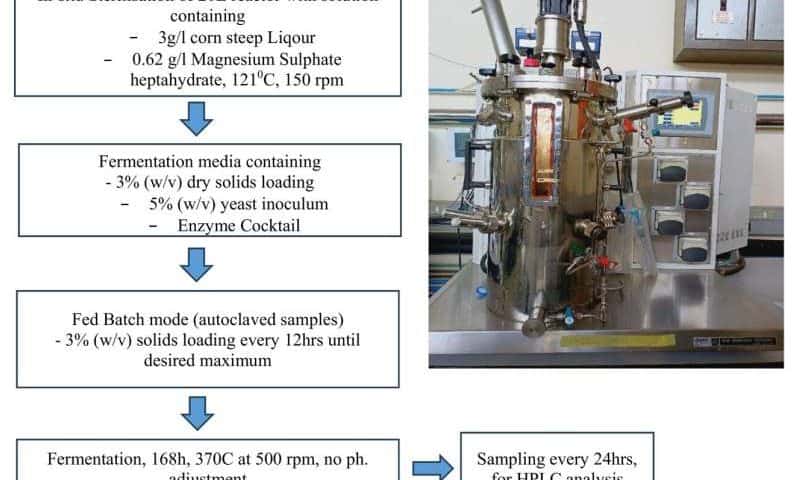
The research examined three major sludge types generated by the pulp and paper sector: virgin pulp sludge, corrugated cardboard sludge, and tissue and printing paper sludge. Each of these materials was assessed for its composition, enzymatic digestibility, and performance in bioethanol fermentation and anaerobic digestion.
Worldwide, as much as 500 million tons of wet paper sludge are created each year through the paper production process. This waste is fiber-rich, and often ends up in landfill, leading to methane emissions and water loss. As well as minimizing waste, production of biofuels such as biomethane, biohydrogen, and bioethanol from this kind of biomass has potential as a sustainable alternative to fossil fuels.
Virgin pulp sludge was found to deliver the highest bioethanol potential, with corrugated cardboard sludge producing the greatest volume of biogas and methane. The study revealed differences in the biochemical and physical properties of the varieties of paper sludge, which could inform circular bioeconomy initiatives in the paper industry going forward by matching the sludge characteristics with the most efficient bioconversion route.